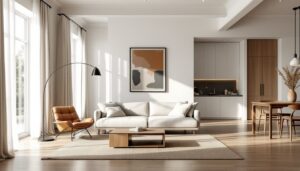


Tropical interior design isn’t just for beach houses anymore. This style brings warmth, texture, and a touch of escapism into any home, whether it’s a suburban ranch or a downtown condo. Think natural materials, bold greens, and an easygoing vibe that makes every day feel a little more like vacation. Done right, tropical design balances lush visuals with livable function. Done wrong, it veers into tiki-bar kitsch. This guide walks through the essentials, from choosing the right materials to avoiding the most common pitfalls.
Table of Contents
ToggleKey Takeaways
- Tropical interior design balances lush visuals with natural materials like rattan, bamboo, and teak to create an inviting space that doesn’t require a beachfront location.
- Essential tropical design elements include layered textures, live plants or quality botanical prints, and a color palette built on neutral bases with two or three nature-inspired accent colors.
- Avoid common tropical design mistakes like pattern overload, oversized furniture in small rooms, and theme-park-style decor by keeping choices sophisticated and functional.
- Tropical design works best in homes with abundant natural light and good airflow, but can be adapted to smaller or darker spaces using mirrors, lighter woods, and strategic accent placement.
- Each room benefits from tailored tropical styling: living rooms showcase focal pieces, bedrooms keep palettes soft, dining rooms handle more drama, and bathrooms work naturally with moisture-resistant materials.
What Is Tropical Interior Design?
Tropical interior design draws inspiration from the lush, warm climates of the Caribbean, Southeast Asia, and the South Pacific. It’s characterized by organic materials, vibrant greenery, and a color palette that mirrors sun, sand, and sea.
Unlike minimalist or industrial styles, tropical design leans into abundance. Expect layers of texture, rattan, bamboo, jute, and teak, paired with plenty of plant life. The goal is to create a space that feels open, airy, and connected to nature.
This style works especially well in homes with good natural light and high ceilings, but it can be adapted to smaller spaces with careful editing. The key is balancing boldness with restraint: too many patterns or oversized leaves can make a room feel cluttered rather than relaxed.
Essential Elements of Tropical Interior Design
Natural Materials and Textures
Tropical design relies heavily on materials that feel handcrafted and organic. Rattan and wicker furniture are staples, they’re lightweight, durable, and bring instant warmth. Look for teak or bamboo for larger pieces like dining tables or bed frames: both are naturally moisture-resistant and hold up well in humid environments.
Jute and sisal rugs add texture underfoot without feeling heavy. Linen and cotton work well for upholstery and drapery, especially in neutral tones that let other elements pop. Avoid synthetics where possible, they lack the tactile quality that makes tropical spaces feel grounded.
Layering is important. A room might combine a woven pendant light, a bamboo coffee table, a jute rug, and linen throw pillows. Each material should feel distinct but harmonious. If everything is the same shade of beige, the space reads flat.
For wall treatments, consider shiplap painted in soft whites or creams, or even grasscloth wallpaper for added texture. Exposed wood beams (real or faux) can reinforce the tropical vibe, especially in vaulted ceilings.
Lush Greenery and Botanical Prints
Plants are non-negotiable in tropical design. Go big with Monstera deliciosa, bird of paradise, or fiddle-leaf figs in corners or flanking furniture. Smaller spaces can use pothos, snake plants, or palms on shelves or side tables.
Real plants are preferred, but high-quality faux options work if light is limited. Just avoid the obviously plastic kind, opt for silk or preserved greenery that mimics the real thing.
Botanical prints add pattern without live maintenance. Think palm fronds, banana leaves, or tropical florals on throw pillows, curtains, or accent walls. Prints work best when they’re oversized and graphic rather than dainty. A single large-scale botanical print can anchor a room more effectively than a busy collage.
Don’t overdo it. If you have live plants in every corner, tone down the printed patterns. If you’re leaning heavily into botanical wallpaper, keep the real greenery minimal.
Color Palettes That Capture the Tropics
Tropical color palettes start with a neutral base, white, cream, sand, or soft gray, then layer in accent colors inspired by nature.
Classic tropical accents include emerald green, turquoise, coral, sunny yellow, and deep ocean blue. These can appear in textiles, art, or smaller decor pieces. The trick is to avoid using all of them at once. Pick two or three accent colors and let them repeat throughout the space.
For a more subdued approach, stick to earth tones, terracotta, warm browns, olive, and muted greens. This version of tropical design feels less beachy and more jungle-inspired, which works well in climates that don’t support the full sun-and-surf aesthetic.
Wood tones matter. Teak and mahogany bring warmth without going orange. Lighter woods like bamboo or ash keep things fresh and open. Avoid overly dark or red-toned woods unless you’re pairing them with plenty of white or natural light.
Ceiling paint is often overlooked. A soft sky blue or pale aqua ceiling can evoke an open-air pavilion, especially in covered porches or sunrooms. Just make sure the room has enough height to pull it off, low ceilings with colored paint can feel claustrophobic.
How to Style Different Rooms With Tropical Design
Living rooms are the easiest place to start. Anchor the space with a rattan sofa or a linen sectional in a neutral tone, then add accent pillows in tropical prints or bold colors. A jute rug grounds the seating area, and a bamboo coffee table or driftwood side table adds organic shape. Hang a large piece of botanical art or a woven wall hanging above the sofa. If the room allows, add a tall plant in a corner and a ceiling fan with woven blades for function and style. Interior design with natural textures can bridge tropical and transitional styles effectively.
Bedrooms benefit from keeping the palette soft. Use white or ivory linens with a lightweight linen duvet or cotton coverlet. Add a rattan headboard or a teak platform bed. Swap heavy curtains for bamboo blinds or sheer linen panels that filter light without blocking it. A small potted palm on a nightstand or a macramé plant hanger near the window adds greenery without crowding the space. Keep the floor uncluttered, bare wood or a simple sisal runner works better than wall-to-wall carpet.
Dining rooms can handle more drama. A live-edge teak table paired with rattan dining chairs creates instant tropical appeal. Hang a woven pendant light or a rattan chandelier over the table, make sure it’s scaled appropriately (measure the table length and width, add those numbers in feet, and convert to inches for fixture diameter). Use linen napkins, ceramic dinnerware in earth tones, and fresh greenery as a centerpiece. Rooms designed with cohesive materials tend to feel more polished and intentional.
Bathrooms are a natural fit for tropical style. Use teak bath mats or slatted teak benches in the shower (teak is naturally mold-resistant). Add potted ferns or orchids on shelves or the vanity. Pebble tile on the shower floor mimics a spa-like feel. Keep colors neutral, white subway tile, stone countertops, and brushed brass or oil-rubbed bronze fixtures. Avoid heavy patterns: let the materials do the talking.
Outdoor spaces like patios or sunrooms are prime territory. Use weather-resistant wicker or teak furniture, and add outdoor-safe fabrics in tropical prints. String Edison bulbs or lanterns for evening ambiance. If the space is covered, consider a bamboo shade system or retractable awnings. Live plants in large terracotta pots complete the look.
Common Mistakes to Avoid in Tropical Decor
Overloading on pattern. Too many competing prints, palm leaves, florals, geometric, make a space feel chaotic. Stick to one or two patterns and let solid colors or natural textures fill the gaps. Designers often showcase curated pattern mixes that balance variety with cohesion.
Ignoring scale. Oversized furniture in a small room kills the airy vibe tropical design is known for. Use leggy furniture, pieces with visible legs rather than skirted bases, to maintain visual flow. Wall design choices also impact how spacious a room feels.
Skipping the prep. Tropical materials like rattan and bamboo can warp or crack in very dry climates. If you live somewhere arid, use a humidifier or stick to engineered versions designed for stability. Teak needs occasional oiling to maintain its color and water resistance, plan for maintenance.
Going full tiki. Bamboo tiki torches, surfboard wall art, and plastic flamingos cross the line from tropical to theme park. Keep decor sophisticated: choose handwoven baskets, ceramic vases, and abstract art inspired by nature rather than literal beach souvenirs.
Forgetting function. Tropical design should still support how the space is used. If a jute rug sheds too much for your household, swap it for a flatweave cotton in a natural tone. If live plants die under your care, invest in quality faux options. Style should enhance livability, not complicate it.
Neglecting light. Tropical spaces thrive on natural light. If a room is naturally dark, adding tropical elements can make it feel heavy. In that case, keep walls and ceilings white, use mirrors to bounce light, and rely on lighter woods like bamboo over darker mahogany. Current interior design trends emphasize the role of lighting in setting a room’s tone.
Clashing with existing architecture. Tropical design works best in homes with open floor plans, large windows, or casual layouts. Forcing it into a formal Victorian or stark modern space creates tension. If your home leans traditional or industrial, consider a hybrid approach, pull in tropical accents like plants and rattan, but keep the overall palette and structure aligned with the home’s bones. Exploring different design styles can help identify what blends naturally.
Buying everything at once. Tropical design benefits from collected-over-time layering. Start with key pieces, seating, a rug, major plants, then add smaller items as you live in the space. This prevents the room from feeling staged or like a catalog page. Understanding the design process helps avoid rushed decisions.
Tropical interior design offers an approachable way to bring warmth, texture, and personality into a home. It doesn’t require a beachfront address or a complete remodel, just thoughtful material choices, a restrained color palette, and a willingness to let a little green into the picture.