
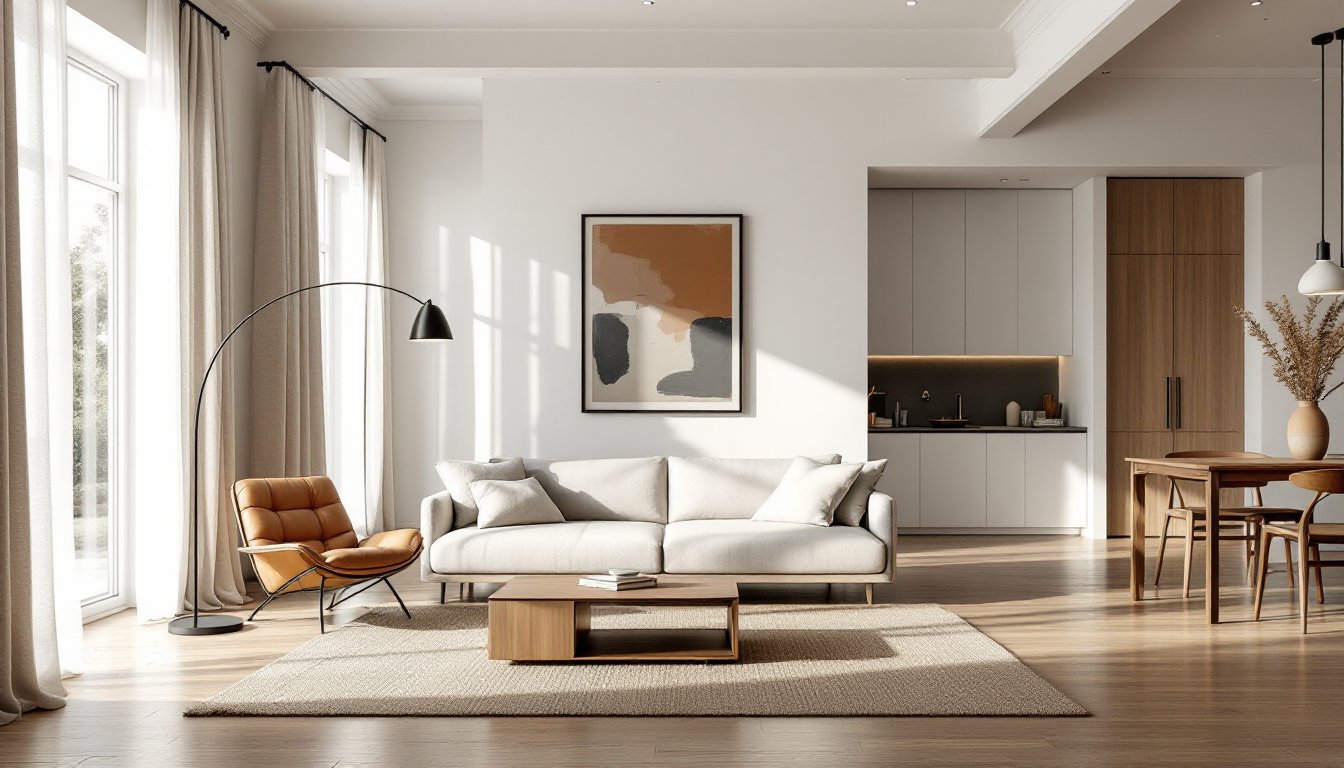

Modern European interior design isn’t about cramming your living room with IKEA furniture and calling it a day. It’s a sophisticated blend of minimalism, craftsmanship, and livable elegance that’s been refined over decades across the continent. Whether you’re drawn to the crisp lines of Scandinavian simplicity or the warm textures of Mediterranean-inspired spaces, European design principles offer a practical framework for creating homes that feel both current and timeless. This guide breaks down the core elements, material choices, and room-by-room strategies you need to bring authentic European style into your space, without a plane ticket or a designer’s retainer.
Table of Contents
ToggleKey Takeaways
- Modern European interior design prioritizes quality materials, clean lines, and functional elegance over trends, blending minimalism with warmth through neutral palettes and honest craftsmanship.
- Essential elements like wide-plank hardwood flooring, architectural millwork, and layered lighting create the foundation for authentic European style without requiring a designer’s budget.
- Neutral base colors paired with material variety—matte finishes, natural wood, linen, and stone—build visual interest through texture rather than competing hues.
- Furniture arrangement should prioritize floating layouts with 30–36 inches of walkway clearance, favoring quality pieces with solid wood frames and high-density foam over quantity or matching sets.
- Room-specific applications like open kitchen shelving, spa-like bathrooms with large-format tile, and serene bedrooms with integrated storage translate European principles into practical, livable spaces.
What Defines Modern European Interior Design?
Modern European interior design prioritizes function, quality materials, and restrained aesthetics over trend-chasing or ornamental excess. It’s rooted in post-war modernist movements, think Bauhaus geometry, mid-century Scandinavian craftsmanship, and Italian industrial design, that emphasized clean lines, natural light, and honest use of materials.
Unlike American design trends that often swing between maximalism and stark minimalism, European interiors strike a balance. Spaces feel curated but not staged, functional but not cold. You won’t find builder-grade crown molding or overstuffed sectionals here. Instead, expect architectural details like exposed beams, hardwood or polished concrete floors, and built-in cabinetry that maximizes space without visual clutter.
One key distinction: European design tends to respect the bones of a building. Original plaster walls, reclaimed wood flooring, and structural elements are preserved or highlighted rather than covered up. If you’re renovating, that means thoughtful demolition, test walls for load-bearing status before removing anything, and consult local building codes if you’re altering structural elements or electrical systems. Many European-inspired renovations involve opening up floor plans, which often requires engineered beam installation and permits.
Key Characteristics of Modern European Style
Several hallmarks distinguish European interiors from other design movements:
Neutral base palettes. Whites, grays, warm beiges, and soft taupes dominate walls and larger furniture pieces. Color comes through art, textiles, or a single statement piece, not an explosion of accent walls.
Natural materials in their honest form. Oak, walnut, linen, wool, stone, and concrete appear frequently. Finishes are matte or lightly oiled rather than high-gloss. Laminate and vinyl get minimal use: if budget’s tight, prioritize real wood or stone in high-impact areas like countertops and flooring, and use high-quality porcelain tile that mimics natural materials elsewhere.
Minimal ornamentation. Hardware is discreet, think integrated cabinet pulls or simple bar handles in brushed nickel or matte black. Light fixtures are sculptural but understated. No chandeliers dripping with crystals.
Layered lighting. European homes rarely rely on a single overhead fixture. Instead, combine recessed lighting, wall sconces, floor lamps, and task lighting. Dimmers are standard, not optional. If you’re adding recessed cans, follow NEC code for spacing (typically 4–6 feet apart for general ambient lighting in an 8-foot ceiling) and use IC-rated housings if installing in insulated ceilings.
Open, flexible layouts. Furniture floats in rooms rather than hugging walls. Spaces serve multiple purposes, dining areas double as work zones, living rooms incorporate reading nooks. This approach requires careful measuring: leave at least 30–36 inches of clearance for walkways between furniture groupings.
Essential Elements to Incorporate in Your Space
Achieving authentic European style requires more than swapping out a sofa. Focus on these foundational elements first.
Flooring sets the tone. Wide-plank hardwood (7–9 inches wide) in oak or walnut is the gold standard. If installing new hardwood, opt for 3/4-inch solid or engineered planks with a wear layer of at least 3mm for durability. Allow lumber to acclimate in the room for 72 hours before installation to prevent gaps or cupping. Alternatively, polished concrete or large-format porcelain tile (24×24 inches or larger) works well in kitchens and bathrooms. Skip tiny subway tiles in favor of 12×24-inch or slab-style installations for a sleeker look.
Architectural millwork adds structure. Consider floor-to-ceiling built-ins, picture rail molding, or simple baseboards (4–6 inches, not the chunky 8-inch profiles common in traditional American homes). If you’re handy with a miter saw and comfortable scribing to uneven walls, you can DIY basic trim work. Use a stud finder to locate framing for secure nailing, and fill nail holes with wood filler before priming.
Windows and window treatments matter. European homes often feature larger windows with minimal treatments. If privacy isn’t an issue, leave windows bare or use sheer linen panels on simple rods. For light control, install roller shades or cellular shades inside the window frame for a clean look. Avoid heavy drapes or ornate valances.
Textiles add warmth without clutter. Layer wool or linen throws, sheepskin rugs, and linen or cotton bedding in neutral tones. Keep patterns geometric or subtle, think stripes, herringbone, or tone-on-tone textures. Area rugs should be large enough that all front furniture legs sit on the rug: a common mistake is choosing a rug that’s too small, which chops up the visual flow.
Color Palettes and Material Choices
Color discipline separates polished European interiors from cluttered ones. Start with a neutral foundation, walls in warm white (not stark builder white), soft gray, or greige. Benjamin Moore’s “White Dove” or Sherwin-Williams’ “Accessible Beige” are reliable starting points, though test samples in your lighting before committing to five gallons.
Introduce depth through material variety, not color. Pair a matte white plaster wall with a natural oak dining table, linen upholstery, and a jute rug. The interplay of textures, smooth, rough, woven, creates visual interest without competing hues. Homes drawing from Danish Interior Design often showcase this principle with pale wood tones and soft textiles.
When accent colors do appear, they’re earthy and muted: terracotta, sage green, charcoal, or dusty blue. Use them sparingly, a single upholstered chair, a piece of art, or ceramic vases. Avoid the temptation to “coordinate” everything: European design embraces slight tonal variations within the same color family.
For countertops and surfaces, marble, quartz, and soapstone outperform laminate or tile for longevity and aesthetics. If budget’s a concern, quartz offers the look of natural stone with lower maintenance (no sealing required). Standard countertop thickness is 3cm (about 1-1/4 inches): waterfall edges are popular in contemporary transitional kitchens but aren’t mandatory.
Concrete is increasingly common in modern European design, especially in urban lofts. Polished or sealed concrete floors provide durability and thermal mass, though they require a solid substrate, not suitable for upper floors in wood-framed homes without significant structural reinforcement. If pouring new concrete, aim for a minimum 4-inch slab over compacted gravel base, with 6×6-inch welded wire mesh for crack control. Hire a licensed contractor for this work: concrete finishing is unforgiving.
How to Apply Modern European Design in Different Rooms
Translating European principles room-by-room requires tailoring core concepts to specific functions.
Living rooms should feel open and breathable. Float a low-profile sofa (seat height around 17–18 inches) away from walls, anchor it with a large area rug, and flank it with a simple coffee table in wood or stone. Skip matching furniture sets: mix a leather lounge chair with a linen sofa. Incorporate a floor lamp with an arched arm for reading light, and limit decorative objects to a few curated pieces, a ceramic vase, a stack of art books, a single sculptural object. For inspiration on balancing minimalism with warmth, many homeowners reference Scandinavian living room layouts.
Kitchens emphasize clean lines and integrated appliances. Flat-panel (slab) or shaker-style cabinetry in matte finishes, white, gray, or natural wood, dominates. Handle-less cabinets with push-to-open mechanisms are common, though simple bar pulls work too. Open shelving can replace upper cabinets on one wall, but only if you’re disciplined about what you display: mismatched dishware kills the aesthetic. Install a 36-inch-wide range hood over a standard 30-inch cooktop for proper ventilation, vented to the outside per IRC M1503 if possible (recirculating hoods are a compromise). Undermount sinks in stainless steel or fireclay pair well with minimal faucets in brushed or matte finishes.
Bedrooms stay serene and uncluttered. A platform bed or simple wood frame, linen bedding in white or natural tones, and minimal nightstands (often just a simple stool or floating shelf). Avoid heavy headboards or bed skirts. Closets should be built-in or concealed behind smooth doors: freestanding wardrobes work if they’re streamlined and in a wood finish that matches other furniture. Blackout roller shades inside the window frame maintain the clean look while ensuring sleep quality.
Bathrooms lean toward spa-like simplicity. Large-format tile (12×24 inches or bigger) on floors and walls, a floating vanity in wood or matte lacquer, and wall-mounted faucets if plumbing allows. Frameless glass shower enclosures beat shower curtains or framed doors for visual continuity. If tiling a shower, slope the floor at 1/4 inch per foot toward the drain and use a waterproof membrane (like Schluter Kerdi or RedGard) behind tile to prevent moisture damage. Hire a licensed plumber if relocating drains or supply lines.
Home offices benefit from built-in desks or wall-mounted floating surfaces to maximize floor space. Use pegboard or wall-mounted shelving to keep supplies accessible but organized. Task lighting, an adjustable desk lamp in metal or wood, is non-negotiable. Keep cable management tidy with cord channels or cable trays mounted under the desk.
Furniture Selection and Layout Tips
European furniture tends toward the understated and functional. Pieces are well-made but not showy, with an emphasis on joinery, proportion, and material honesty.
Prioritize quality over quantity. A single solid wood dining table will outlast three particleboard replacements. Look for joinery like mortise-and-tenon or dovetail joints in drawers, not just staples and glue. Solid wood or high-quality plywood beats MDF for longevity. If buying upholstered pieces, check that frames are hardwood (not softwood or engineered wood) and that cushions use high-density foam (at least 1.8 lbs per cubic foot) for durability.
Scale matters. European furniture is often more compact than American equivalents, fitting smaller room footprints common in older buildings. A sofa might be 78–84 inches long rather than 90+. Dining tables are often 36 inches wide rather than 40+. Measure doorways, hallways, and room dimensions before buying: a piece that looks perfect online may not fit through a 30-inch doorway or up a narrow staircase. Allow 30 inches minimum between a dining table edge and the nearest wall for chair clearance when seated.
Embrace multifunctional pieces. Extendable dining tables, storage ottomans, and nesting side tables maximize flexibility. Built-in banquettes with lift-top storage work well in breakfast nooks or small dining areas. If building custom seating, frame it with 2×4 lumber on 16-inch centers and 3/4-inch plywood for the seat deck before adding foam and upholstery.
Mix eras and materials carefully. A mid-century credenza can sit beside a contemporary sofa if they share a common material or color palette. For instance, examples of mid-century modern interiors often pair vintage teak pieces with new neutral upholstery. Avoid overly matchy room sets: instead, unify disparate pieces through consistent finishes (all matte black metal, all oiled walnut) or a shared design principle (all low-profile, all geometric).
Lighting as furniture. In European design, lighting is sculptural and integral. An arc floor lamp or a statement pendant can define a seating area as effectively as a rug. When selecting pendants over a dining table or kitchen island, hang them 30–36 inches above the surface. For a standard 8-foot ceiling, that means fixture height should account for both the drop and the visual weight: oversized fixtures can overwhelm a small room.
Avoid pushing furniture against walls. Floating arrangements create intimacy and flow. In a living room, pull the sofa 12–18 inches from the wall and create a conversational grouping with chairs angled inward. This approach borrows from Parisian apartment layouts, where smaller rooms demand smart furniture placement.
Use rugs to define zones. In open-plan spaces, area rugs delineate living, dining, and workspace zones. Choose rugs large enough that furniture groups sit entirely on them, or at minimum, front legs rest on the rug while back legs are off. A 9×12-foot rug suits most living rooms: 8×10 feet works for dining areas with a table seating six to eight.
Conclusion
Modern European interior design isn’t a one-size-fits-all template, it’s a set of principles rooted in quality, restraint, and respect for materials and space. By focusing on neutral palettes, honest materials, and thoughtful furniture placement, homeowners can create interiors that feel both contemporary and enduring. Start with the bones, flooring, architectural details, lighting, then layer in furnishings that prioritize craftsmanship over trends. The result is a home that doesn’t scream for attention but quietly earns it.