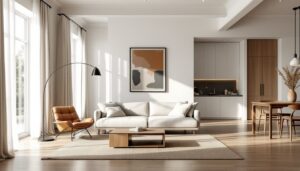


Interior design isn’t magic, it’s a learnable craft built on solid principles, practiced techniques, and an honest understanding of how people use spaces. Expert designers don’t just pick pretty colors or arrange furniture on a whim. They apply time-tested methods rooted in proportion, function, light, and flow. Whether someone’s tackling a full home renovation or freshening up a single room, knowing what separates amateur trial-and-error from expert-level design makes the difference between spaces that look good in photos and ones that actually work every day.
Table of Contents
ToggleKey Takeaways
- Expert interior design combines proportion, function, light, and flow—not personal preference alone—with knowledge of building codes, material properties, and structural limitations.
- Core design principles like balance, proportion, and the golden ratio (1:1.6) create intentional spaces; for example, artwork should hang at 57–60 inches and furniture should follow the two-thirds rule relative to sofas.
- Color theory, temperature, and Light Reflectance Value (LRV) directly affect how rooms feel; cool colors recede in small spaces while warm colors advance, and LRV under 50 absorbs light and darkens rooms.
- Start your own design project with accurate measurements, a to-scale floor plan, and defined room function before selecting materials or making visual decisions.
- Layer three types of lighting—ambient, task, and accent—with dimmer switches for control; test paint colors over multiple days in different light conditions before commitment.
- Avoid costly mistakes by properly prepping surfaces, selecting timeless foundations over fleeting trends, obtaining permits for structural changes, and adapting inspiration to real-world household function.
What Makes Interior Design ‘Expert-Level’?
Expert interior design goes beyond aesthetic preference. It integrates function, durability, and buildability into every decision. An expert considers how natural and artificial light interact with wall colors throughout the day. They understand load-bearing walls versus partition walls when planning an open-concept layout, and they know when to call a structural engineer.
Professional designers also factor in building codes and permit requirements. Moving plumbing or electrical? That triggers permits in most jurisdictions under the International Residential Code (IRC) and National Electrical Code (NEC). They account for egress window sizes in bedrooms, proper ventilation rates in bathrooms, and ADA-compliant clearances when accessibility matters.
Material knowledge separates pros from hobbyists. Experts know that luxury vinyl plank (LVP) flooring needs a 48-hour acclimation period in the install room, that semi-gloss paint shows every drywall imperfection, and that MDF trim swells when exposed to moisture. They specify actual lumber dimensions (a 2×4 stud measures 1.5″ x 3.5″) and understand joist span tables when planning built-ins or heavy tile installations.
The best designers also recognize their limits. Structural modifications, gas line work, and major electrical upgrades require licensed professionals. Knowing when to hand off work isn’t a weakness, it’s expert judgment.
Core Principles Every Expert Interior Designer Follows
Certain principles anchor expert work, no matter the style. These aren’t subjective trends, they’re the grammar of spatial design.
Balance and Proportion
Balance means visual weight distribution. Symmetrical balance, matching nightstands flanking a bed, creates formality and calm. Asymmetrical balance uses different objects of similar visual weight: a tall bookshelf on one side of a fireplace, a low console with large artwork on the other. Both approaches work: the key is intentionality.
Proportion governs how objects relate in size. The golden ratio (roughly 1:1.6) shows up everywhere from furniture dimensions to wall art placement. A common mistake: hanging artwork too high. The center of a piece should sit at 57–60 inches from the floor, gallery standard, based on average eye height. For furniture groupings, experts often follow the two-thirds rule: a coffee table should be about two-thirds the length of the sofa it serves.
Scale matters too. A sectional sofa in a 10×12 room overwhelms the space, while a loveseat in a 20×20 great room looks lost. Designers map floor plans to scale, using ¼” = 1′ is standard, to test furniture sizes before buying. Many professionals now rely on design visualization tools to show clients how scale choices affect room feel before committing to purchases.
Color Theory and Palette Selection
Color isn’t personal preference alone, it’s science. The color wheel organizes hues into relationships: complementary (opposite), analogous (adjacent), and triadic (evenly spaced). Complementary schemes create energy and contrast: analogous palettes offer harmony and ease.
Experts also understand color temperature. Cool colors (blues, greens) recede visually, making walls feel farther away, useful for small rooms. Warm colors (reds, oranges, yellows) advance, creating coziness but potentially shrinking perceived space. North-facing rooms receive cool, blue-tinted light: warm paint colors compensate. South-facing rooms get warm, golden light: cooler tones prevent them from feeling too hot.
Light Reflectance Value (LRV) measures how much light a paint color reflects, scaled 0–100. Pure black = 0: pure white = 100. Spaces with LRV under 50 absorb more light and feel darker. Designers match LRV to room function and natural light levels. A basement rec room might need LRV 70+ to counteract dim conditions.
Paint sheen affects durability and appearance. Flat/matte hides imperfections but marks easily, good for low-traffic areas or ceilings. Eggshell offers slight washability for living areas. Satin works in kitchens and hallways with moderate traffic. Semi-gloss and gloss endure scrubbing, ideal for trim, cabinets, and high-moisture zones, but they magnify every drywall flaw. Surface prep matters: fill nail holes with spackling, sand smooth, prime with a PVA primer on new drywall to seal and ensure even color.
How to Apply Expert Design Techniques in Your Own Home
Translating professional methods into DIY projects requires breaking the process into manageable steps. Start with a measured floor plan. Use a 25-foot tape measure (not a short carpenter’s tape) and note all dimensions: wall lengths, window and door locations, ceiling height, and any architectural features like built-in shelving or radiators. Sketch this on graph paper or use free software to create a to-scale layout.
Next, define the room’s primary function and traffic flow. In a dining room layout, allow 36 inches of clearance behind each chair when pulled out for seating. In a kitchen, maintain the work triangle: refrigerator, sink, and cooktop should total 13–26 feet combined for efficiency. For a living room arrangement, orient seating to help conversation, typically no more than 8 feet between facing sofas.
Layer lighting like a pro. Every room needs three types: ambient (overhead or recessed), task (reading lamps, under-cabinet strips), and accent (picture lights, wall sconces). Ambient lighting alone creates harsh shadows: task lighting alone causes eye strain. Experts use dimmer switches, installed per NEC requirements, usually requiring a neutral wire in the box, to adjust intensity based on time of day and activity.
When selecting materials, match them to the abuse they’ll take. High-traffic hallways need durable flooring: engineered hardwood, porcelain tile, or LVP rather than softer pine or laminate. Bathrooms require moisture-resistant drywall (greenboard or cement board behind tile). Kitchen backsplashes demand materials that handle grease and steam, glazed ceramic, porcelain, or glass tile beat porous natural stone without sealing.
Test paint colors before committing. Buy sample pots and paint 2×2-foot squares on different walls. Observe them in morning, afternoon, and evening light over several days. Colors shift dramatically depending on exposure. A “warm white” can look dingy in north light or blazing yellow in afternoon sun.
Tackle living room wall designs with intentional focal points. An accent wall, painted, wallpapered, or clad in wood planks, draws the eye but only works when it highlights architecture or anchors furniture groupings. Random accent walls confuse rather than enhance. For a gallery wall, lay out frames on the floor first, keeping 2–3 inches between frames and centering the grouping at that 57–60-inch eye level.
Common Mistakes to Avoid When Designing Your Space
Many DIY design failures stem from skipping foundational steps. Measuring incorrectly ranks high: always measure twice, and account for trim, baseboards, and door swing radius. Furniture that fits on paper might not clear the doorway during delivery, measure diagonal dimensions for sofas and mattresses, especially around tight corners.
Ignoring room proportions creates awkward spaces. Oversized sectionals dominate small rooms: tiny furniture clusters in large rooms look like a dollhouse. When in doubt, use painter’s tape on the floor to outline furniture footprints before buying. Live with the tape layout for a few days to test flow.
Poor lighting planning ruins otherwise well-designed rooms. A single overhead fixture, no matter how stylish, can’t provide adequate illumination or ambiance. Relying solely on recessed can lights creates a cold, commercial feel. Layer sources, add floor lamps, table lamps, and sconces, and place them where they’re needed, not just where outlets exist. Hire an electrician to add outlets or switches if necessary: it’s worth the investment.
Skipping surface prep guarantees paint and finish failures. Paint won’t adhere properly to glossy surfaces without scuff-sanding. Drywall patches need priming or they’ll “flash” through topcoats as dull spots. Pros know that one gallon of paint covers roughly 350–400 square feet per coat, but texture, porosity, and color changes affect this. Budget for two coats minimum, especially when going from dark to light.
Trendy choices without longevity cost money. All-gray everything, ultra-modern minimalism, or farmhouse shiplap everywhere might feel dated in five years. The most successful spaces blend classic bones with personal accents that can evolve. Recognizable top interior designers build timeless foundations and layer in seasonal or trend-driven accessories, throw pillows, art, and textiles, that refresh without renovation.
Neglecting code requirements or permits creates serious liability. Moving or adding walls, relocating plumbing or HVAC, upgrading electrical panels, or changing window sizes typically require permits and inspections. Yes, permit processes feel bureaucratic, but they ensure safety and protect resale value. Unpermitted work discovered during a home sale can kill deals or force expensive corrections.
Another pitfall: copying showroom looks without adapting them. Magazine-perfect drawing room setups often lack real-life function, nowhere to set a coffee mug, no storage for remotes, impractical white upholstery with kids around. Successful design adapts inspiration to actual household needs.
Conclusion
Expert interior design isn’t reserved for professionals with unlimited budgets. It’s a methodical process grounded in proportion, material knowledge, and honest assessment of how spaces get used. Following the interior design process that pros use, measure accurately, plan function first, select durable materials, layer lighting, and test before committing, transforms guesswork into confident execution. Skip the shortcuts, respect the fundamentals, and the results will speak for themselves.