
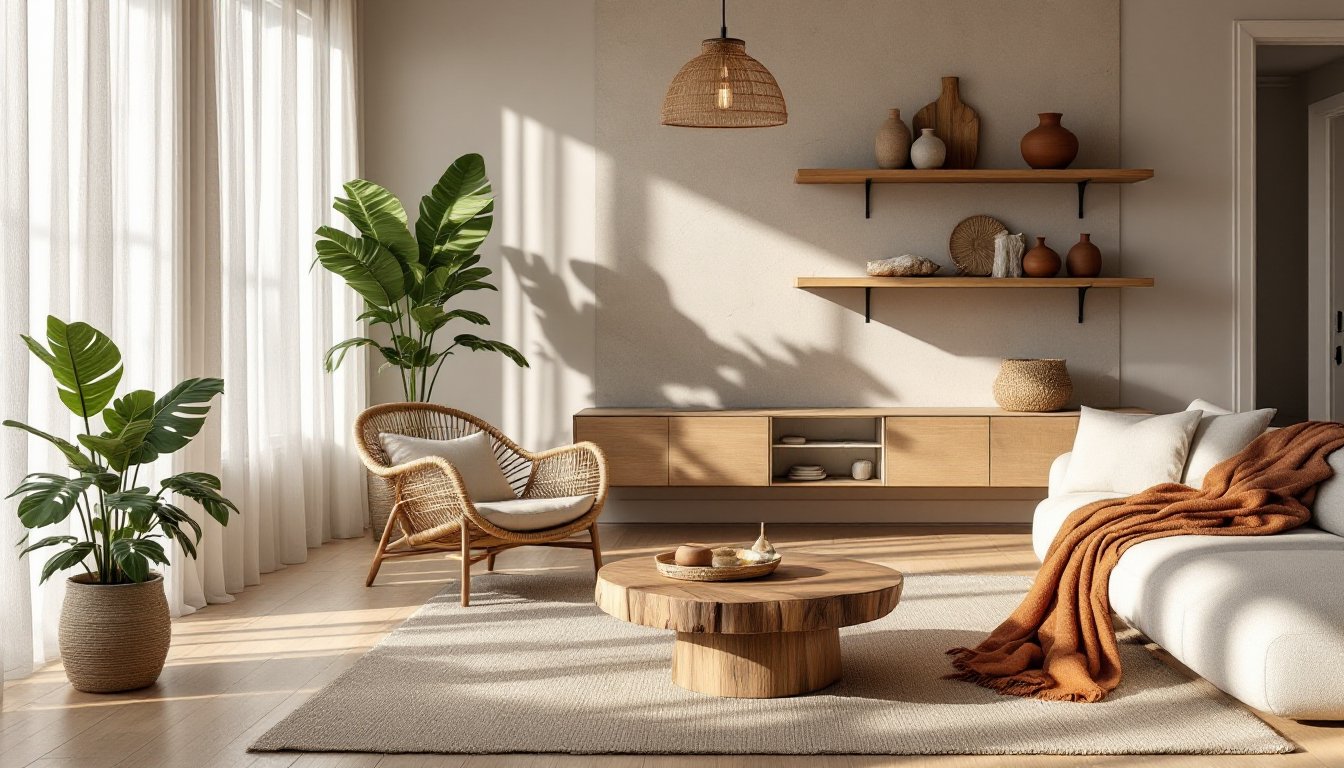

Organic interior design strips away the synthetic and the overly processed, bringing the raw beauty of nature directly into living spaces. It’s not about tossing a few houseplants on a shelf and calling it done. This approach emphasizes natural materials, earthy tones, and a connection to the outdoors that feels intentional rather than forced. For DIYers and homeowners looking to create spaces that feel grounded and authentic, organic design offers a framework that’s both visually appealing and surprisingly practical. The style works in any room, from kitchens to home offices, and doesn’t require a full renovation to make an impact.
Table of Contents
ToggleKey Takeaways
- Organic interior design prioritizes natural materials like unfinished wood, raw stone, linen, and clay to create warm, authentic spaces that feel intentional and grounded.
- Use earthy color palettes inspired by nature—terra cotta, sage, ochre, and warm grays—while avoiding pure black or stark white for a more organic aesthetic.
- Start with secondhand or reclaimed materials and DIY projects; organic design emphasizes authenticity and craftsmanship over expensive imports or high-end luxury pieces.
- Incorporate living plants in natural containers, maximize natural light, and choose fixtures in brass or copper with rattan or linen shades to blur the line between indoors and outdoors.
- Balance organic warmth with clean, uncluttered spaces by editing ruthlessly and avoiding overcrowding—let natural materials and textures speak without visual overload.
What Is Organic Interior Design?
Organic interior design prioritizes materials and forms found in nature. Think unfinished wood, raw stone, linen, jute, clay, and other elements that retain their natural textures and imperfections. Unlike minimalist design, which can feel stark, organic interiors lean into warmth and tactile richness.
The style emerged as a response to mass-produced, plastic-heavy interiors of the mid-20th century. Architects and designers began incorporating more natural materials to soften modernist lines and create spaces that felt human rather than sterile. Today, organic design overlaps with sustainable and biophilic design principles, though it’s less about certifications and more about visual and sensory experience.
Key characteristics include asymmetry (nature isn’t perfectly symmetrical), muted color palettes, handmade or artisan-crafted pieces, and visible grain, knots, and texture in materials. This isn’t rustic or farmhouse style, it’s more refined, with clean lines that let the materials themselves take center stage. If a piece of furniture or decor looks like it could’ve been shaped by wind and water over time, it probably fits the organic aesthetic.
This approach doesn’t demand expensive materials. Reclaimed wood, locally sourced stone, and thrifted natural fiber textiles work just as well, sometimes better, than high-end imports. The goal is authenticity, not luxury.
Key Principles of Organic Interior Design
Natural Materials and Textures
The foundation of organic design is material choice. Wood is the workhorse here, oak, walnut, ash, cedar, and teak all bring distinct grain patterns and color variations. Use actual lumber dimensions (a 2×4 is actually 1.5″ x 3.5″) when building custom pieces like floating shelves or bench seating.
Stone and clay add weight and permanence. Limestone, travertine, slate, and raw concrete work for countertops, backsplashes, or accent walls. For DIY projects, consider concrete overlay techniques on existing surfaces rather than full replacements, coverage is roughly 80–100 square feet per 50-pound bag of overlay mix, depending on thickness.
Natural fiber textiles include linen, cotton, wool, jute, sisal, and hemp. These materials age visibly, developing a patina rather than looking worn out. Linen curtains, jute rugs, and wool throws layer texture without pattern overload. When shopping, check fiber content labels, blends with synthetic fibers won’t have the same hand-feel or durability.
Rattan, cane, and bamboo introduce curves and lightness. These materials work well for chairs, light fixtures, and room dividers. Be aware that rattan is not load-bearing for structural applications: it’s decorative or for light-duty furniture only.
Avoid high-gloss finishes and synthetic laminates. Organic design favors matte or satin finishes that don’t reflect light harshly. If refinishing wood, use oil-based finishes like tung oil or Danish oil rather than polyurethane for a more natural look. Apply thin coats with a lint-free cloth, allowing 4–6 hours between coats.
Earthy Color Palettes
Organic interiors pull color directly from nature, think terra cotta, sage, ochre, warm grays, soft whites, and muted browns. These aren’t the crisp whites or bold accent walls common in contemporary design. Instead, aim for colors that look like they’ve been sun-bleached or pulled from clay, bark, or stone.
When selecting paint, consider brands focused on low-VOC or natural pigments for better indoor air quality. Standard coverage is 350–400 square feet per gallon for most matte or eggshell finishes, but textured walls or dark colors may require a second coat.
Layering shades within the same tonal family creates depth without contrast. Pair a warm beige wall with ochre-toned cushions and a rust-colored throw. Avoid pure black or stark white, use charcoal or cream instead.
Accent colors should come from natural dyes or minerals: deep olive, burnt sienna, dusty blue, or terracotta. These work as smaller touches in artwork, pottery, or textiles rather than dominating a room.
Test paint samples on multiple walls in the room to see how natural light shifts the tone throughout the day. North-facing rooms will cool down warm tones: south-facing rooms intensify them.
How to Incorporate Organic Design Into Your Home
Choosing Sustainable Furniture and Decor
Start with furniture that showcases material rather than hiding it. Look for pieces with exposed joinery (dovetails, mortise-and-tenon, finger joints) and visible grain. Avoid veneered particleboard, it doesn’t age well and can’t be refinished.
For DIY builds, solid wood lumber (not plywood) is essential. A simple bench or coffee table made from 8/4 (2-inch actual thickness) hardwood planks can be edge-glued and sanded to create a live-edge effect. Use a random orbital sander starting at 80-grit and working up to 220-grit for a smooth, natural finish.
Shop secondhand for vintage pieces in teak, rosewood, or walnut. Mid-century designs often align well with organic aesthetics. Strip old finishes with a chemical stripper (wear nitrile gloves and a respirator with organic vapor cartridges), then re-oil or wax.
When selecting new furniture, ask about FSC-certified wood or reclaimed materials. Avoid pieces with formaldehyde-based adhesives if indoor air quality is a concern. Many manufacturers now list material sourcing and certifications on product pages.
Decor should feel collected rather than coordinated. Handmade ceramics, woven baskets, driftwood, dried grasses, and unglazed pottery all fit the organic aesthetic. Avoid anything mass-produced with visible branding or plastic components. Trends in sustainable and natural design continue to prioritize authenticity over perfection.
If building shelving or cabinetry, consider open shelving with natural wood brackets. Standard shelf depth for books or decor is 10–12 inches: use 3/4-inch hardwood plywood or solid wood, and support spans over 36 inches with a center bracket to prevent sagging.
Bringing the Outdoors Inside
Organic design blurs the line between interior and exterior spaces. Start by maximizing natural light. Clean windows inside and out, remove heavy curtains, and use sheer linen or no window treatments if privacy isn’t an issue.
Add living plants in natural containers, terracotta, ceramic, or woven baskets with plastic liners. Choose varieties that suit your light conditions: pothos and snake plants for low light, fiddle leaf figs and monstera for bright indirect light. Planters should be sized so the root ball has 1–2 inches of clearance on all sides.
Incorporate organic shapes in furniture and decor. Look for pieces with curves, asymmetry, and irregular edges rather than rigid right angles. A kidney-shaped coffee table or an asymmetrical mirror mimics natural forms found in Scandinavian-inspired interiors.
Natural light control is critical. Install wood or bamboo blinds for adjustable light while maintaining material consistency. Avoid vinyl or plastic options. If you’re handy, custom shutters made from 1×4 pine or poplar can be built and mounted with basic carpentry tools, miter saw, drill, pocket hole jig.
For flooring, consider wide-plank hardwood (5–7 inches wide) in oak, hickory, or reclaimed species. Wider planks show more grain variation and feel more organic than narrow strips. If installing yourself, acclimate boards in the room for 48–72 hours before installation to prevent gaps or buckling.
Use stone or concrete in wet areas like kitchens and bathrooms. Sealed natural stone is more porous than porcelain but develops character over time. Seal limestone or travertine with a penetrating sealer every 12–18 months to prevent staining.
Incorporate natural scents through essential oil diffusers, dried lavender, or cedarwood rather than synthetic air fresheners. The sensory experience matters as much as the visual.
Consider adding textured and layered design elements that emphasize warmth and connection to natural surroundings. Projects like DIY driftwood wall art, macramé plant hangers, or homemade beeswax candles in ceramic vessels add handmade character.
For lighting, choose fixtures in brass, copper, or blackened steel with natural materials like rattan shades or linen-wrapped cords. Avoid chrome and high-gloss metals. Install dimmer switches (requires basic electrical knowledge and may need a permit depending on jurisdiction) to control ambiance. Use warm white LED bulbs (2700–3000K) rather than cool white for a softer, more natural tone.
Finally, don’t overdo it. Organic design breathes when there’s space around objects. Overcrowding shelves or layering too many textures muddies the aesthetic. Edit ruthlessly, if a piece doesn’t feel grounded and intentional, it probably doesn’t belong. Homes with clean, uncluttered approaches often balance organic warmth with breathing room.
Building codes and safety: Most decorative projects won’t require permits, but structural changes, removing walls, altering load-bearing elements, or significant electrical work, will. Check local building codes and the International Residential Code (IRC) for guidance. Always wear appropriate PPE: safety glasses, dust masks (N95 or better for sanding), and hearing protection when using power tools.
Organic interior design isn’t a trend that’ll look dated in five years. It’s rooted in materials and forms that have been around for millennia. Whether updating a single room or planning a full home refresh, the principles remain the same: let natural materials do the talking, keep colors muted and warm, and create spaces that feel connected to the world outside. For more interior design inspiration and room-specific guides, consider how organic principles adapt across different spaces. Projects that emphasize texture, craftsmanship, and natural light will always feel current because they’re fundamentally about creating environments where people feel comfortable and grounded. Design publications like Homedit regularly feature case studies of organic modernism that balance contemporary lines with raw, natural materials.