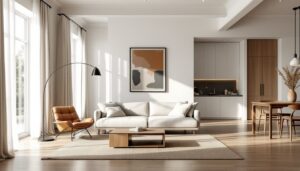


Modern organic interior design has carved out a distinct place in home design, not as a fleeting trend, but as a practical approach that bridges clean lines with natural warmth. This style strips away excess and brings in raw textures, earth tones, and materials that age beautifully. It’s perfect for homeowners looking to create rooms that feel calm without being cold, minimal without being stark. Unlike ultra-modern spaces that can feel sterile or boho interiors that lean heavily decorative, modern organic design keeps things grounded. It’s about honest materials, functional furniture, and a livable aesthetic that works with your routine rather than against it.
Table of Contents
ToggleKey Takeaways
- Modern organic interior design combines clean architectural lines with natural warmth, creating spaces that feel calm and minimal without being cold or sterile.
- Natural materials like white oak, walnut, stone, linen, and clay form the foundation of modern organic design, with finishes that develop patina and character over time.
- A neutral color palette of warm whites, soft grays, and earth tones like terracotta, ochre, and sage prevents visual clutter while maintaining the grounded aesthetic.
- Furniture should be substantial and thoughtfully chosen, featuring visible joinery in solid wood rather than particleboard, with low-profile pieces that prioritize functionality and comfort.
- Lighting and accessories in modern organic interiors must be intentional and edited, using natural materials like rattan, ceramic, and linen while keeping surfaces clear and purposeful.
What Is Modern Organic Interior Design?
Modern organic interior design is a hybrid style that marries the simplicity of modernism with the tactile, grounded qualities of organic design. Think clean architectural lines, neutral palettes, and natural materials like wood, stone, linen, and clay. It avoids fussiness, no ornate moldings or heavy drapes, but it doesn’t feel bare either.
This approach became more prominent in the early 2020s as homeowners sought interiors that felt both serene and substantial. The style pulls from mid-century modern influences but softens the look with warmer tones and textural variety. You won’t find plastic laminate or chrome accents here. Instead, expect matte finishes, raw wood grains, and surfaces that show character over time.
The design philosophy hinges on restraint and intentionality. Every piece serves a purpose. Furniture is low-profile and sturdy. Decor is edited down to a few meaningful objects, handmade ceramics, woven baskets, dried botanicals. The result is a space that feels deliberate without being overly curated.
Modern organic interiors also prioritize natural light. Large windows, minimal window treatments, and reflective surfaces help spaces feel open and connected to the outdoors. This isn’t just aesthetic, it’s about creating homes that support well-being and reduce visual clutter.
Key Elements of Modern Organic Interiors
Natural Materials and Textures
Wood is the backbone of modern organic design. Use white oak, walnut, or ash for flooring, cabinetry, and furniture. These species have subtle grain patterns that add warmth without overwhelming a space. Avoid high-gloss finishes, stick with matte or satin polyurethane or natural oils like tung oil or Danish oil that let the wood breathe and develop a patina.
For countertops and backsplashes, consider honed stone like limestone, travertine, or soapstone. Unlike polished granite, honed finishes are non-reflective and feel more tactile. Concrete countertops also fit the aesthetic if sealed properly with a penetrating sealer to prevent staining.
Textiles matter as much as hard surfaces. Choose linen, cotton, and wool in their natural, undyed states or in muted tones. Linen curtains should hang loose, no linings, no pleats. Wool rugs in jute weaves or flatweave styles anchor seating areas without adding visual weight. Avoid synthetic fibers: they don’t age well and lack the depth of natural materials.
Clay and plaster bring texture to walls. Venetian plaster or lime wash finishes add subtle variation that paint can’t match. These finishes require some skill to apply, consider hiring a plasterer if you’re unfamiliar with trowel techniques. For a DIY-friendly option, textured wallcoverings made from grasscloth or cork offer similar warmth.
Neutral Color Palettes with Earthy Accents
Start with a base of warm whites, beiges, and soft grays. Avoid stark whites like pure titanium white (which reads cold under most lighting). Instead, use off-whites with yellow or pink undertones, Benjamin Moore’s Swiss Coffee or Sherwin-Williams’ Alabaster are solid choices.
Layer in earth tones: terracotta, ochre, sage, rust, and charcoal. These can appear in accent walls, upholstery, or decor. Paint one wall in a muted terracotta using a matte or eggshell finish, glossier sheens disrupt the organic feel. Expect to use 350–400 square feet of coverage per gallon for quality paint.
Wood tones provide natural color variation. Mix light and medium woods, but avoid combining more than two species in one room to prevent the space from feeling disjointed. If your flooring is light oak, choose walnut or darker ash for furniture and cabinetry.
Greenery adds life without competing for attention. Stick with sculptural plants like fiddle leaf figs, snake plants, or olive trees in simple terracotta or concrete planters. Avoid overly ornamental pots or bright ceramic glazes that clash with the palette.
How to Incorporate Modern Organic Design in Every Room
In the living room, prioritize low-profile seating with natural upholstery. A linen sectional or a leather sofa in camel or cognac anchors the space. Coffee tables should be solid wood, 2-inch thick oak or walnut slabs on simple steel bases work well. Avoid glass tops: they read too modern and lack warmth.
Wall treatments can shift the entire feel. If you’re comfortable with drywall work, consider adding shiplap or vertical wood paneling in a natural or whitewashed finish. Use 1×6 or 1×8 boards (actual dimensions: 3/4″ x 5.5″ or 7.25″) with a small reveal between each board. This isn’t load-bearing work, but it does require a stud finder, level, and finish nailer. Those interested in Scandinavian simplicity can adapt similar techniques here.
For kitchens, flat-panel cabinetry in natural wood or painted in earthy neutrals keeps the look cohesive. Skip hardware entirely for a cleaner face, or use simple pulls in matte black or brushed brass. Countertops should be honed stone or butcher block, maple or walnut butcher block needs regular oiling with food-safe mineral oil to prevent drying and cracking.
Open shelving works if you’re disciplined about what you display. Use solid wood shelves (1.5″ to 2″ thick) mounted on heavy-duty steel brackets rated for at least 50 pounds per bracket. Store everyday dishes, glassware, and a few decorative objects. Clutter kills the aesthetic.
In bedrooms, keep furniture minimal. A low platform bed frame in walnut or oak, paired with linen bedding in whites or warm grays, sets the tone. Nightstands should be simple, floating shelves or small side tables with one drawer. Avoid mirrored furniture or anything with ornate detailing.
Bathrooms benefit from natural stone tiles, 12×24 or larger format tiles in limestone or travertine reduce grout lines and feel more cohesive. Use matte or honed finishes to prevent slipping and maintain the organic vibe. Fixtures in matte black or brushed nickel pair well with stone and wood vanities.
Choosing Furniture for a Modern Organic Home
Furniture should feel substantial without being bulky. Look for pieces with visible joinery, mortise and tenon or dovetail joints, that show craftsmanship. Avoid particleboard or MDF: these materials don’t hold up and lack the texture of solid wood.
Sofas and chairs benefit from natural fiber upholstery. Linen is durable if you choose a mid-weight fabric (around 7–9 oz per yard). Leather works too, especially full-grain or top-grain leather in natural tans or browns. Bonded leather or polyurethane “leather” will crack and peel within a few years, skip it.
Dining tables should be solid wood with simple bases, X-leg, trestle, or straight legs in steel or wood. A 3/4-inch to 1-inch thick top is standard for most tables, but for a statement piece, opt for a 2-inch live-edge slab. Seal it with water-based polyurethane or hard wax oil to protect against spills without yellowing over time.
Storage pieces, dressers, credenzas, media consoles, should have clean lines and minimal hardware. Look for designs with push-to-open drawers or integrated pulls that don’t interrupt the wood grain. If you’re shopping vintage or secondhand, mid-century pieces from the 1960s and 70s often align with this aesthetic. Sand and refinish them with tung oil or a natural stain to refresh the wood.
Avoid overstuffed furniture. Proportions matter. A sofa with a 32–34 inch seat depth is comfortable without swallowing the room. Chair arms should be 24–26 inches high, low enough to tuck under a table but high enough for support. Many contemporary furniture retailers now offer pieces that blend minimalist sensibility with organic materials.
Lighting and Accessories That Complete the Look
Lighting should feel intentional but unfussy. Pendant lights in natural materials, rattan, bamboo, ceramic, or blown glass, work over dining tables or kitchen islands. Hang them 30–36 inches above the table surface for proper clearance. Avoid overly industrial metal shades: they skew too cold.
Floor lamps with linen or cotton drum shades provide ambient light without harsh glare. Choose bases in turned wood, ceramic, or powder-coated steel. Tripod bases in natural wood fit well in living rooms or bedrooms. Use warm white bulbs (2700K–3000K) to maintain the cozy, grounded feel.
Sconces mounted on either side of a bed or flanking a bathroom mirror add functional light and visual interest. Opt for designs with matte finishes and simple arms, no crystals or excessive detailing. Current design coverage on modern lighting trends highlights the shift toward understated, craft-focused fixtures.
Accessories should be edited and purposeful. A few handmade ceramic bowls, a woven basket for throws, or a sculptural wood object on a shelf is enough. Avoid tchotchkes or overly themed decor. If you display books, choose hardcovers with neutral spines or wrap them in kraft paper for a uniform look.
Window treatments should be minimal. Linen curtains hung on simple rods (wood or matte black steel) soften windows without blocking light. Mount curtain rods 4–6 inches above the window frame and extend them 3–6 inches beyond each side to make windows appear larger. For privacy, consider cellular shades in natural tones that mount inside the frame.
Rugs anchor spaces and add warmth underfoot. Choose natural fiber rugs, jute, sisal, or wool, in neutral tones. A wool flatweave is more comfortable than jute if you’re placing it in a high-traffic area like a living room. Size matters: in a living room, the rug should extend at least 12 inches beyond the front legs of your sofa and chairs. This approach resonates well with current organic modernism showcased in real homes.
Artwork should lean minimal and abstract. Black-and-white photography, line drawings, or subtle landscapes work well. Frame pieces in simple wood frames with no matting or minimal white matting. Avoid overly colorful or busy prints that compete with the natural materials in the room. Hang artwork at 57–60 inches on center (measured from the floor to the center of the piece) for proper eye level.
Accessories that double as functional pieces fit the ethos. A wooden stepstool, a ceramic vase that holds fresh branches, or a handwoven basket for storing blankets all contribute to the aesthetic while serving a purpose. Keep surfaces mostly clear, one or two objects per surface is enough. Anyone looking for additional inspiration can explore contemporary design features to see how modern organic interiors are evolving.