
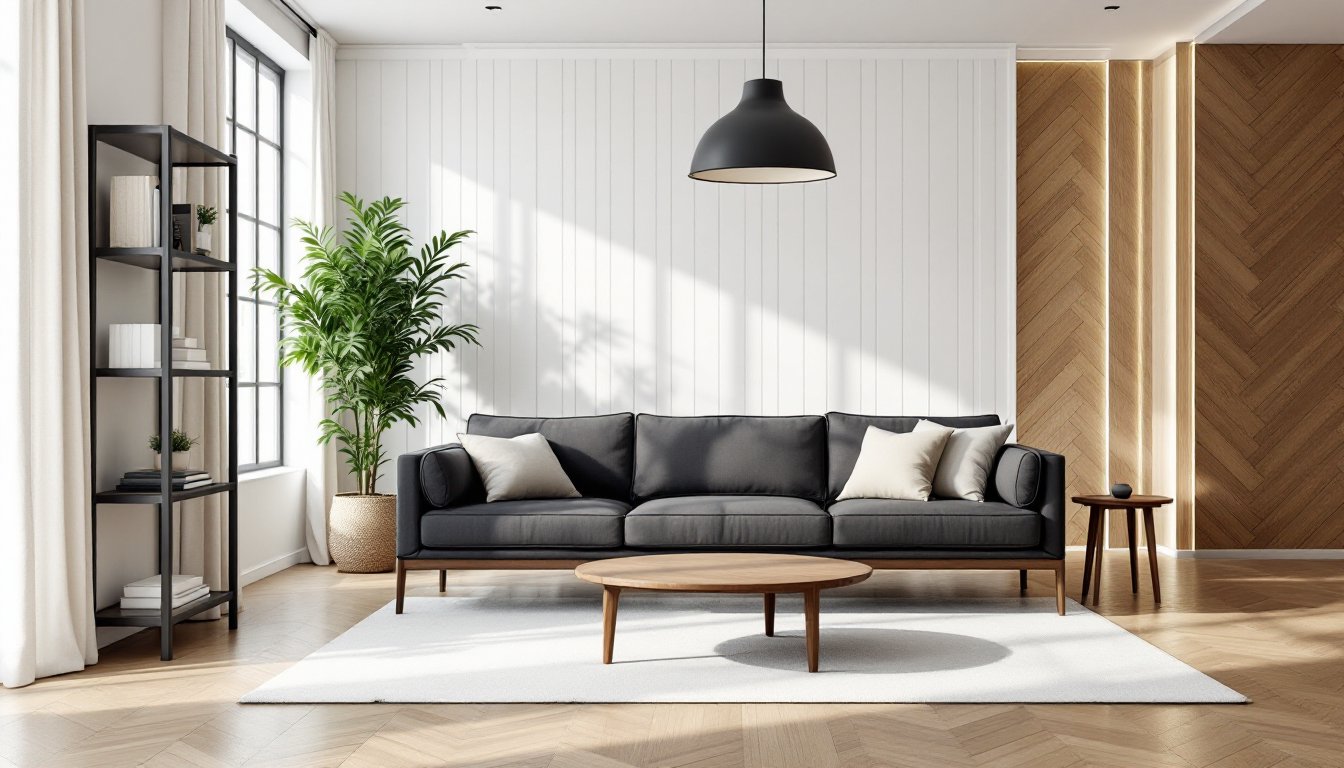

Walk into any room that just feels right, and you’re responding to lines, even if you don’t realize it. Lines are the invisible architecture of interior design, guiding the eye, defining space, and setting the mood before a single piece of furniture says a word. They’re not just decorative: they’re structural. A horizontal line can make a cramped bedroom feel wider. A vertical line can lift a low ceiling. Diagonal lines inject energy, while curves soften hard edges. Understanding how to use lines transforms guesswork into intention, turning a collection of furniture into a cohesive space that works.
Table of Contents
ToggleKey Takeaways
- Lines in interior design are fundamental structural elements that guide the eye, define boundaries, and set emotional tone—horizontal lines expand rooms, vertical lines add height, diagonal lines inject energy, and curved lines soften spaces.
- Strategic use of line in interior design balances opposing directions to avoid chaotic or monotonous rooms; pairing strong horizontals with subtle verticals (or vice versa) creates visual interest and intentional spatial flow.
- Trim, molding, furniture arrangement, flooring patterns, and lighting fixtures all contribute lines to a room, so auditing existing lines before making changes helps transform a space from feeling off to feeling cohesive.
- Paint, wallpaper stripes, and furniture placement offer budget-friendly ways to test line direction before committing to permanent renovations like trim installation or structural modifications.
- Diagonal and curved line projects require specialized tools and skills (miter saws, jigsaws, routers) or professional help, while horizontal and vertical applications with trim and paint are achievable DIY projects with basic carpentry knowledge.
- Mixing all four line types without dominance creates balanced, intentional rooms, whereas rooms dominated by a single line direction or conflicting lines feel either cramped, cavernous, chaotic, or disconnected.
What Is Line in Interior Design?
In design terms, a line is any continuous mark or edge that creates a visual path. Lines can be literal, molding, trim, table edges, stair railings, or implied, like the sight line from one piece of furniture to another. They’re one of the seven foundational elements of design, alongside color, form, texture, space, light, and pattern.
Lines do three jobs simultaneously. First, they direct the eye. Your gaze naturally follows a line from start to finish, which designers use to create focal points or lead you through a room. Second, they define boundaries. A chair rail divides a wall: a rug edge separates a seating area from the rest of the floor. Third, they set emotional tone. Sharp lines feel modern and energetic. Soft lines feel calm and organic.
Every surface, object, and architectural detail in a room contributes lines. Floor planks, window frames, cabinet doors, sofa backs, light fixtures, all of them. The trick is recognizing which lines dominate and whether they’re working together or fighting each other. A room with too many competing lines feels chaotic. A room with harmonious lines feels intentional, even if the style is eclectic.
The Four Types of Lines and How to Use Them
Horizontal Lines
Horizontal lines run parallel to the floor and suggest stability, rest, and expansiveness. Think of a low-slung mid-century sofa, a long dining table, or a chair rail at 32–36 inches above the floor. These lines make walls feel wider and ceilings appear lower, which works well in tall rooms that feel cavernous but can shrink an already low-ceilinged space.
Use horizontal lines to anchor a room. A floating shelf, a wainscoting panel, or even a horizontal plank accent wall can ground a space and create a sense of calm. In kitchens, long runs of upper cabinets emphasize the horizontal and make the room feel more spacious. Just be cautious: too many horizontals without vertical counterbalance can make a room feel squat or monotonous.
Tool note: Installing horizontal trim or shiplap is straightforward with a miter saw for clean 90-degree cuts and a brad nailer for fast, secure fastening. Always use a laser level to keep lines true: even a 1/8-inch drift over 8 feet is visible to the eye.
Vertical Lines
Vertical lines run floor to ceiling and convey height, strength, and formality. Tall bookshelves, floor-to-ceiling drapes, vertical shiplap, and narrow windows all emphasize the vertical. They draw the eye up, making ceilings feel higher and rooms feel more grand. Vertical lines are especially useful in rooms with standard 8-foot ceilings or in narrow spaces that need visual lift.
In practice, living room minimalist interior often relies on clean vertical lines to create height without clutter. Tall, slim furniture, like a narrow bookcase or a floor lamp with a slender profile, adds verticality without eating up square footage. Vertical paneling, whether classic board-and-batten or modern slat walls, adds architectural interest and makes walls feel taller.
Safety note: When installing floor-to-ceiling elements like built-ins or paneling, locate studs with a stud finder and fasten into them with 2.5-inch or 3-inch screws. Drywall anchors alone won’t support the weight of shelving or heavy trim over time.
Diagonal Lines
Diagonal lines cut across the horizontal and vertical, creating movement, tension, and energy. Staircases are the most obvious example, but you’ll also see diagonals in vaulted ceilings, herringbone floors, and angled furniture arrangements. Diagonals are dynamic, they suggest action and can make a static space feel more interesting.
Use diagonals sparingly. A single accent, like a herringbone tile backsplash or a gallery wall arranged on a diagonal axis, adds visual interest without overwhelming the room. In dining room interior design, placing a rectangular table at a slight angle can break up the predictability of parallel walls and create flow.
Diagonal lines are harder to execute cleanly than horizontals or verticals. Cutting angles requires a miter saw set to precise degrees (typically 45° for herringbone or chevron patterns), and layout errors compound quickly. Measure twice, cut once, and dry-fit before committing adhesive or fasteners.
Curved Lines
Curved lines soften a space, add movement, and feel organic. Arched doorways, round mirrors, oval dining tables, curved sectionals, and even rounded cabinet edges all introduce curves. Unlike straight lines, which feel architectural and controlled, curves feel welcoming and relaxed. They’re especially effective as a counterpoint in rooms dominated by hard lines and right angles.
Curves are trending again after years of angular, minimalist design. Arched entryways, whether structural or created with trim and drywall, add character without requiring a gut renovation. Round furniture, from living room transitional style coffee tables to barrel chairs, softens the geometry of rectangular rooms.
Execution note: Cutting curves requires different tools. A jigsaw handles gentle curves in trim or shelving. For arched openings, you’ll need flexible bendable trim or a router for custom profiles. Curved drywall requires wetting and scoring the back, then slowly bending it over a radius form, this is not a beginner task and may warrant calling a pro if you’re adding structural arches.
How to Apply Lines to Transform Your Space
Start by auditing the lines already in the room. Stand in the doorway and note which lines dominate. Are they mostly horizontal (low furniture, long windows)? Mostly vertical (tall bookshelves, narrow trim)? A mix? Rooms that feel “off” often have conflicting or absent line direction.
Balance is key. If a room feels too squat, add vertical elements: floor-to-ceiling curtains hung from ceiling-mounted rods, tall artwork, or vertical paneling. If it feels too tall and cold, bring in horizontals: a low console, horizontal plank walls, or a picture ledge that runs the length of a wall. Designers often pair strong horizontals with subtle verticals (or vice versa) to create visual interest without competition.
Use trim and molding strategically. Chair rails, crown molding, and baseboards are all line tools. A chair rail at one-third wall height adds a horizontal break that can make a tall room feel cozier. Crown molding emphasizes the ceiling line and adds formality. Vertical board-and-batten or picture frame molding adds dimension and directs the eye up. All of these are achievable DIY projects with a miter saw, brad nailer, and patience.
Furniture arrangement matters. Placing a sofa parallel to the longest wall emphasizes horizontal lines and makes the room feel wider. Angling it slightly or floating it in the center introduces subtle diagonals that create flow and make the layout feel less rigid. In drawing room interior design, arranging seating in a conversational circle uses implied curved lines to make the space feel inviting.
Flooring patterns create powerful lines. Hardwood, LVP, or tile laid parallel to the longest wall emphasizes length. Laid perpendicular, it can widen a narrow hallway. Diagonal or herringbone patterns add energy and visual complexity. Just remember that diagonal installations require 10–15% more material due to cuts and waste, and they’re more labor-intensive.
Paint and wallpaper can fake architectural lines. A horizontal stripe at chair-rail height mimics trim without the carpentry. Vertical stripes make ceilings feel higher. According to design experts at MyDomaine, even subtle tone-on-tone stripes create the illusion of line without overwhelming a space. This is a low-commitment way to test line direction before committing to permanent changes.
Don’t ignore implied lines. The sight line from your entryway to a focal point, a fireplace, a piece of art, an interior living room wall, is an implied line. Arrange furniture and decor to guide the eye along these paths. Remove obstacles (like a chair awkwardly blocking a view) that interrupt the flow.
Lighting fixtures emphasize lines too. A row of pendant lights over a kitchen island creates a strong horizontal. A tall floor lamp or a vertical sconce draws the eye up. Linear LED strips installed in coves or under cabinets create sleek, continuous lines that feel modern and intentional.
Mix line types for balance, not chaos. A room doesn’t need equal parts of every line type, but it shouldn’t be dominated by just one. Living room mid century modern interior design often succeeds because it pairs strong horizontal furniture lines with vertical storage and a few organic curves, like a Noguchi table or an Eames lounge chair. The variety creates interest without feeling cluttered.
Safety and permits: Most line-focused projects, trim, paint, furniture placement, are cosmetic and don’t require permits. But, cutting into walls for new arches, removing sections of drywall, or altering load-bearing elements does. If you’re unsure whether a wall is load-bearing, consult a structural engineer or contractor. The International Residential Code (IRC) governs structural modifications, and local building departments enforce it. Don’t skip permits on structural work: it’s a liability and a resale headache.
PPE for line-focused projects: Wear safety glasses when cutting trim or tile. Use a dust mask or respirator when sanding drywall or cutting MDF. Hearing protection is essential when running a miter saw or circular saw for extended periods. Work gloves protect hands during material handling but can reduce precision, many carpenters skip them for finish work.
Cost considerations: Adding lines through paint or furniture arrangement is nearly free. Trim materials run $0.50–$3 per linear foot depending on profile and material (MDF, pine, or primed finger-joint are budget-friendly: hardwood or pre-finished options cost more). Professional trim installation costs $3–$8 per linear foot, but DIY is feasible with basic tools. Custom millwork, arched openings, or built-ins can run $500–$5,000+ depending on complexity and region. Flooring pattern changes primarily add labor cost, not material, expect 20–30% higher installation fees for diagonal or herringbone layouts.
For more foundational design guidance, Homedit and Elle Decor’s minimalist design tips offer solid visual examples of how line direction shapes room perception.
Lines are everywhere once you start looking. They’re the grammar of a room, the structure that makes everything else readable. Get them right, and the rest of the design falls into place.