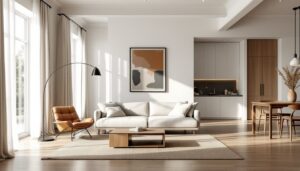


Houseplants aren’t just décor, they’re functional design elements that clean air, soften hard surfaces, and add vertical interest to any room. By 2026, biophilic design has gone mainstream, with homeowners treating plants as essentials rather than afterthoughts. Whether someone’s working with a sun-drenched loft or a basement apartment with one window, the right greenery can change the entire feel of a space. This guide walks through plant selection, creative display methods, and design integration to help DIYers turn their homes into livable, breathing environments without hiring a designer.
Table of Contents
ToggleKey Takeaways
- Interior design with plants combines aesthetic appeal with practical benefits like air purification, with species like pothos, snake plants, and spider plants proven to filter indoor toxins.
- Match plant selection to room conditions—choose low-light varieties like ZZ plants for bedrooms and bathrooms, and sun-loving species like fiddle-leaf figs for south- or west-facing living rooms.
- Creative display methods such as wall-mounted planters, plant stands at varying heights, and hanging options create visual layers and focal points that enhance any room’s design.
- Overwatering is the primary cause of indoor plant failure; check soil moisture 2 inches deep before watering and always use pots with drainage holes to prevent root rot.
- Interior design with plants adapts to any style—from minimalist spaces with single sculptural specimens to bohemian interiors layered with trailing vines and mismatched containers.
- Maintenance essentials include weekly light rotation, seasonal humidity adjustments for tropical plants, annual soil refresh, and regular pest inspections to keep indoor plants healthy long-term.
Why Plants Are Essential for Modern Interior Design
Modern interiors lean hard into clean lines and minimal clutter, which can sometimes feel sterile. Plants break that monotony without adding visual noise, they introduce organic shapes, textures, and movement that balance angular furniture and flat walls.
From a practical standpoint, certain species improve indoor air quality by filtering toxins like formaldehyde and benzene (common in paints, adhesives, and pressed wood). NASA’s Clean Air Study identified pothos, snake plants, and spider plants as top performers. They’re not magic, but in tightly sealed homes with synthetic materials, every bit helps.
Plants also solve common design problems. A tall fiddle-leaf fig fills an awkward corner. Trailing pothos softens the hard edge of a bookshelf. Clustered succulents add depth to a windowsill without blocking light. When used intentionally, they’re as functional as any piece of furniture, and far easier to move around when a layout isn’t working.
Choosing the Right Plants for Every Room
Not all plants thrive in all conditions. Matching species to light levels, humidity, and temperature prevents the slow death spiral that makes people swear they have a “black thumb.”
Low-Light Plants for Bathrooms and Bedrooms
Rooms with north-facing windows or heavy window treatments need plants that tolerate indirect or artificial light. Snake plants (Sansevieria) are nearly indestructible, they handle low light, irregular watering, and dry air. ZZ plants (Zamioculcas zamiifolia) have glossy, architectural leaves and store water in their rhizomes, so they forgive neglect.
Bathrooms with decent humidity suit pothos and philodendrons, both of which trail beautifully from shelves or window ledges. If the bathroom has zero natural light, swap live plants for high-quality faux versions, there’s no shame in it when the alternative is a dead stick in a pot.
Chinese evergreens (Aglaonema) work in bedrooms with low to medium light and come in varieties with red, pink, or silver variegation that adds color without flowers. Avoid placing heavy pots on drywall-mounted floating shelves without checking weight capacity, most standard brackets support 15-25 lbs, and soil plus ceramic pots add up fast.
Sun-Loving Plants for Living Rooms and Home Offices
South- or west-facing windows provide the bright light that tropical and succulent species crave. Fiddle-leaf figs (Ficus lyrata) are trendy for a reason, they grow tall, have dramatic foliage, and anchor a minimalist living room without crowding it. They’re fussy about watering (let the top 2 inches of soil dry between waterings) and don’t like being moved once they’re happy.
Rubber plants (Ficus elastica) are hardier cousins to the fiddle-leaf, with thick, waxy leaves in burgundy or variegated green. Monstera deliciosa brings that “jungle” vibe with split leaves that create interesting shadows on walls. Both grow large, plan for a 10-12 inch diameter pot at maturity.
For desks and shelves in home offices, succulents and cacti need direct sun and minimal water. They’re low-maintenance but won’t tolerate dark corners. String-of-pearls and burro’s tail cascade nicely from elevated surfaces. Pair them with task lighting on timers if natural light is inconsistent.
Creative Ways to Display Plants in Your Home
How plants are displayed matters as much as the plants themselves. Thoughtful placement creates focal points and draws the eye through a room.
Wall-mounted planters save floor space and add vertical interest. Use metal or ceramic wall pockets for trailing plants like pothos or string-of-hearts. Mount them into studs with appropriate hardware, drywall anchors rated for the combined weight of planter, soil, and plant when wet. A single #8 screw into a stud handles most small planters: larger installations need toggle bolts or masonry anchors depending on wall construction.
Plant stands elevate greenery to different heights, which creates visual layers. Mid-century wood stands suit Scandinavian-inspired spaces, while wire or metal stands fit industrial or modern aesthetics. Group three plants at varying heights (floor, mid-level, tabletop) to form a balanced vignette.
Hanging planters work in any room with ceiling joists accessible for mounting. Use ceiling hooks rated for at least 20 lbs and screw them into joists, not just drywall. Macramé hangers add texture: simple rope or chain keeps the focus on the plant. According to strategies for maximizing small spaces, hanging plants near windows can visually expand a room by drawing the eye upward.
Shelving and ledges turn awkward wall space into plant galleries. Floating shelves work for lightweight pots: anything over 10 lbs per linear foot needs brackets anchored into studs. Open shelving in dining areas mixes plants with dishware and décor for a curated, lived-in look.
Terrariums and glass vessels suit tiny spaces and add a modern twist to traditional pots. Use them for air plants (Tillandsia), which need no soil, just weekly misting. Avoid closed terrariums for most tropicals unless managing humidity is part of the plan.
Design Styles That Pair Perfectly with Indoor Plants
Plants adapt to almost any design style, but some pairings feel more natural than others.
Modern and minimalist spaces benefit from sculptural plants with bold shapes, snake plants, bird of paradise, or single-stem fiddle-leaf figs. Keep pots simple: matte black, white ceramic, or concrete. Too many plants clutter the aesthetic: three or fewer large specimens make a stronger statement.
Bohemian and eclectic interiors thrive on abundance. Layer trailing pothos, ferns, and flowering plants in mismatched pots (terracotta, woven baskets, painted ceramics). Macramé hangers, vintage plant stands, and clustered groupings amp up the lived-in vibe. Don’t worry about symmetry, boho design celebrates organized chaos.
Industrial spaces pair plants with raw materials like exposed brick, metal, and reclaimed wood. Use galvanized metal containers, wire stands, or repurposed crates as planters. Large-leafed tropicals soften hard edges without undermining the utilitarian feel. Designers on home décor platforms often use oversized monstera or rubber plants to anchor industrial lofts.
Farmhouse and rustic styles call for plants in natural containers, wooden crates, enamelware, or terracotta. Herbs like rosemary, thyme, and basil double as kitchen décor and ingredients. Distressed finishes and chippy paint on pots fit the aesthetic.
Mediterranean interiors mix terracotta pots, citrus trees, and drought-tolerant plants like lavender or olive trees (if light permits). Warm, earthy tones and organic textures make plants feel essential rather than decorative. For more on this aesthetic, explore Mediterranean design principles that emphasize natural materials.
Practical Tips for Maintaining Healthy Indoor Plants
Healthy plants look better and last longer. Most indoor plant failures stem from overwatering, not neglect.
Watering: Stick a finger 2 inches into the soil. If it’s dry, water until it drains from the bottom of the pot. If it’s damp, wait. Most houseplants prefer slightly dry conditions over soggy roots. Use pots with drainage holes, cachepots (decorative outer pots) are fine, but the inner pot must drain. Empty saucers after watering to prevent root rot.
Light: Rotate plants weekly so all sides receive even light. If leaves yellow or drop, the plant may need more light. If leaves scorch or bleach, it’s getting too much direct sun. Supplemental grow lights work for darker rooms, full-spectrum LED bulbs mimic natural light and use minimal energy.
Humidity: Tropical plants like ferns, calathea, and orchids need higher humidity than most homes provide, especially in winter. Group plants together to create a microclimate, or use a small humidifier in the room. Misting helps temporarily but isn’t a substitute for consistent humidity.
Soil and fertilizer: Use potting mix, not garden soil, which compacts in containers and drowns roots. Refresh soil annually or when it starts breaking down. Feed with diluted liquid fertilizer every 4-6 weeks during the growing season (spring through early fall). Skip fertilizing in winter when most plants go dormant.
Pest control: Check plants regularly for spider mites, aphids, and mealybugs. Wipe leaves with a damp cloth to remove dust and pests. For infestations, spray with insecticidal soap or neem oil, both are low-toxicity options safe for indoor use. Wear gloves when handling neem oil: it can irritate skin.
Repotting: When roots circle the pot’s bottom or grow through drainage holes, it’s time to size up. Choose a pot 1-2 inches larger in diameter, too big, and the soil stays wet too long. Repot in spring when plants are actively growing. Resources like The Spruce offer detailed repotting guides for specific species.
Keep basic tools on hand: pruning shears, watering can with a narrow spout, spray bottle, and potting mix. Clean tools with rubbing alcohol between plants to prevent spreading disease. With consistent care and the right placement, indoor plants become long-term design features rather than short-lived experiments.