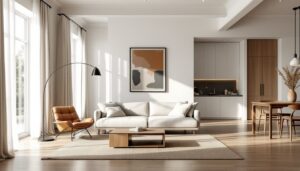


Figuring out your design style shouldn’t feel like decoding blueprints. If you’ve ever stood in a paint aisle frozen by indecision or scrolled through Pinterest boards wondering why nothing feels quite right, you’re not alone. A free interior design style quiz cuts through the guesswork by matching your preferences to established design aesthetics, modernist, farmhouse, industrial, eclectic, or something in between. These quizzes ask targeted questions about color, furniture, materials, and spatial preferences, then deliver a style roadmap you can actually use. No interior designer’s hourly rate required, just honest answers and a few minutes of your time.
Table of Contents
ToggleKey Takeaways
- A free interior design style quiz narrows down overwhelming design choices by matching your preferences to established aesthetics like modern, farmhouse, industrial, or bohemian, helping you shop smarter and avoid costly mistakes.
- Most quizzes use visual-preference algorithms and lifestyle questions to identify your primary and secondary design styles, but should be treated as a compass rather than a mandate since they can’t account for your home’s existing architecture.
- Start implementing your quiz results by prioritizing paint, flooring, and one signature furniture piece that defines your style, then add textiles and accessories last since they’re easiest to swap and experiment with.
- Hybrid design styles are an opportunity, not a problem—establish a dominant style (60-70%) and use secondary influences as accents while keeping a consistent color palette and materials to unify disparate elements.
- Prioritize function and comfort over style purity in your final design decisions, as a well-used home that feels authentically yours beats a magazine-perfect one that doesn’t suit your actual lifestyle.
Why Take a Free Interior Design Style Quiz?
Most DIYers know what they don’t like faster than what they do. A quiz forces clarity.
It narrows down the overwhelming universe of design choices into a curated shortlist. Instead of saving 300 random inspiration photos, you’ll understand why certain rooms resonate. Maybe you’re drawn to clean lines and neutral palettes (hello, minimalism) or richly layered textures and vintage finds (that’s bohemian or eclectic territory).
Quizzes also reveal gaps between aspiration and reality. You might love the idea of mid-century modern but realize your actual preferences lean traditional. That disconnect matters when you’re picking out a sofa that costs four figures.
Finally, a defined style makes budgeting and project planning easier. When you know you’re working within Scandinavian design parameters, you won’t waste money on ornate crown molding that doesn’t fit the aesthetic. You’ll shop smarter, whether you’re hitting salvage yards or ordering cabinet hardware online.
Think of the quiz as a project scope document for your home. It sets guardrails so you don’t end up with a living room that looks like five different showrooms had a collision.
How Interior Design Style Quizzes Work
Most quizzes use a visual-preference algorithm. You’ll see image pairs or grids and pick what appeals to you. The backend tallies patterns, color temperature, furniture silhouettes, material textures, layout density.
Some ask lifestyle questions: Do you host formal dinners or casual game nights? Do you collect books and art, or prefer surfaces clear? These inputs correlate behaviors with compatible styles. Someone who loves hosting in a transitional-style space probably values flexibility and classic comfort over edgy statements.
Better quizzes weight responses. A strong aversion to clutter might override a mild interest in vintage pieces, steering results toward minimalist rather than maximalist styles.
Results typically land on one or two primary styles, sometimes with a secondary influence. You might get “Modern Farmhouse with Industrial accents” or “Coastal with Scandinavian elements.” That nuance is useful, it acknowledges that real homes aren’t showroom vignettes.
The weak point? Quizzes can’t assess your home’s architecture or existing constraints. A quiz might peg you as industrial-chic, but if you’re working with builder-grade trim and low ceilings, execution gets trickier. Use results as a compass, not a mandate.
Top Free Interior Design Style Quizzes to Try in 2026
House Beautiful’s Design Style Quiz remains a solid starting point. It uses image-based questions and delivers results with specific style names plus shopping suggestions. The photo quality is high, which helps with accurate selection. Find it through their design inspiration section.
MyDomaine offers a quiz that leans into lifestyle questions alongside visual picks. It’s particularly good at identifying hybrid styles and gives actionable next steps, like key furniture pieces or paint palettes. Their editorial content supports the quiz well, with room-by-room breakdowns for each style category.
Homedit’s style finder skews practical. It asks about existing furniture, budget constraints, and DIY willingness. Results include difficulty ratings for achieving each look, helpful if you’re planning a phased renovation or working within a tight timeline.
Modsy and Havenly (both offer free tiers) include quizzes as part of their onboarding. While they upsell design services, the quizzes themselves are free and sophisticated. They account for spatial considerations and existing architecture.
Skip quizzes that require email signup before showing results or those heavy on affiliate product links. The best ones prioritize style education over sales funnels.
What Your Quiz Results Actually Mean
Modern/Contemporary: Clean lines, neutral base palette with bold accent colors, materials like steel, glass, and polished concrete. Minimal ornamentation. Think open floor plans and statement lighting. Requires discipline to maintain, visible clutter kills the look.
Transitional: The bridge between traditional and modern. Neutral palettes, mixed materials (wood plus metal), comfortable but tailored furniture. This style forgives mistakes better than stricter aesthetics. It’s popular because it’s livable and resale-friendly.
Farmhouse/Modern Farmhouse: Shiplap, barn doors, apron-front sinks, wide-plank floors. Traditional farmhouse leans rustic: modern farmhouse adds clean lines and edited palettes (usually white, gray, black). Can veer into trendy territory, what’s popular now may feel dated in five years.
Industrial: Exposed brick, ductwork, steel beams, concrete floors, Edison bulbs. Best suited to lofts or homes where you can leave structural elements visible. Faking it with peel-and-stick brick rarely works. Consider working with a space that has bold wall treatments to emphasize the aesthetic.
Scandinavian: Light wood (usually birch or ash), white walls, minimal decor, functional furniture, lots of natural light. Cozy (hygge) but uncluttered. Works well in small spaces. Requires good natural light to avoid feeling cold.
Bohemian/Eclectic: Layered textiles, global influences, vintage finds, plants, saturated colors. High tolerance for visual density. DIY-friendly since it celebrates imperfection and personal collections. Can slide into chaotic if not intentional.
Minimalist: The extreme end of “less is more.” Limited color palette (often monochrome), multi-functional furniture, hidden storage, empty surfaces. Demands excellent organizational systems and restraint. Not ideal if you have kids, hobbies with gear, or sentimental attachment to stuff.
Turning Quiz Results Into Real Design Decisions
Start with paint and flooring, these are your largest surface areas and biggest style signals. If your result is modern, avoid warm beiges and go for cool grays or crisp whites. Farmhouse? Consider warmer neutrals and possibly whitewashed or natural wood floors.
For furniture, prioritize the pieces that define your style. A mid-century modern credenza or an industrial metal-frame coffee table establishes the aesthetic immediately. Buy one signature piece before filling in with budget options. A $400 statement chair beats five mediocre ones.
Architectural details matter more than throw pillows. If your quiz says traditional but your home has flat-panel doors and no trim, budget for trim upgrades before buying a tufted Chesterfield. Likewise, modern style doesn’t work well with ornate crown molding, either embrace a transitional compromise or plan to remove it.
Textiles and accessories come last. These are the easiest to swap and the cheapest to experiment with. Use them to test your commitment to a style before making permanent changes.
If your result surprised you, live with it in small doses first. Paint an accent wall, swap out hardware, add area rugs. See if it feels right before gutting a kitchen. Some people discover their minimalist preferences only work in theory, actual execution feels too sparse.
Mixing Multiple Design Styles Based on Your Results
Hybrid results aren’t a problem: they’re an opportunity. Most real homes blend two or three influences.
Establish a dominant style (60-70% of design decisions) and use the secondary as accent (30-40%). If you’re modern with bohemian leanings, keep furniture lines clean but layer in textiles, plants, and global accessories. The structure stays modern: the warmth comes from boho elements.
Use a consistent color palette to unify disparate styles. A muted, earthy scheme lets you mix industrial metal shelving with farmhouse wood furniture without visual chaos. Color is the glue.
Repeat materials across styles for cohesion. If you’re blending Scandinavian and coastal, emphasize light wood and white throughout. The shared material vocabulary makes different furniture shapes feel intentional rather than random.
Separate styles by room if blending in one space feels forced. Maybe your drawing room leans traditional while your home office goes full industrial. As long as transitions aren’t jarring (shared flooring or wall color helps), room-by-room variation works.
Avoid mixing more than three styles or combining fundamentally opposing aesthetics (minimalism and maximalism, ultra-modern and heavy traditional). There’s a difference between eclectic and incoherent.
When in doubt, prioritize function and comfort over style purity. If your quiz says mid-century modern but you need deep, sink-in seating for a bad back, get the comfortable sofa and style around it. A well-used home beats a magazine-perfect one.
Conclusion
A free design quiz won’t replace hands-on experience or a trained eye, but it’ll save you from expensive false starts. Treat your results as a project brief, specific enough to guide decisions, flexible enough to accommodate your home’s realities and your own preferences. The goal isn’t perfection: it’s a cohesive space that functions well and feels like yours.