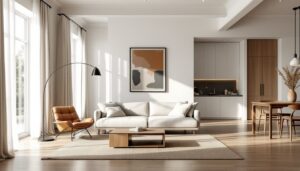
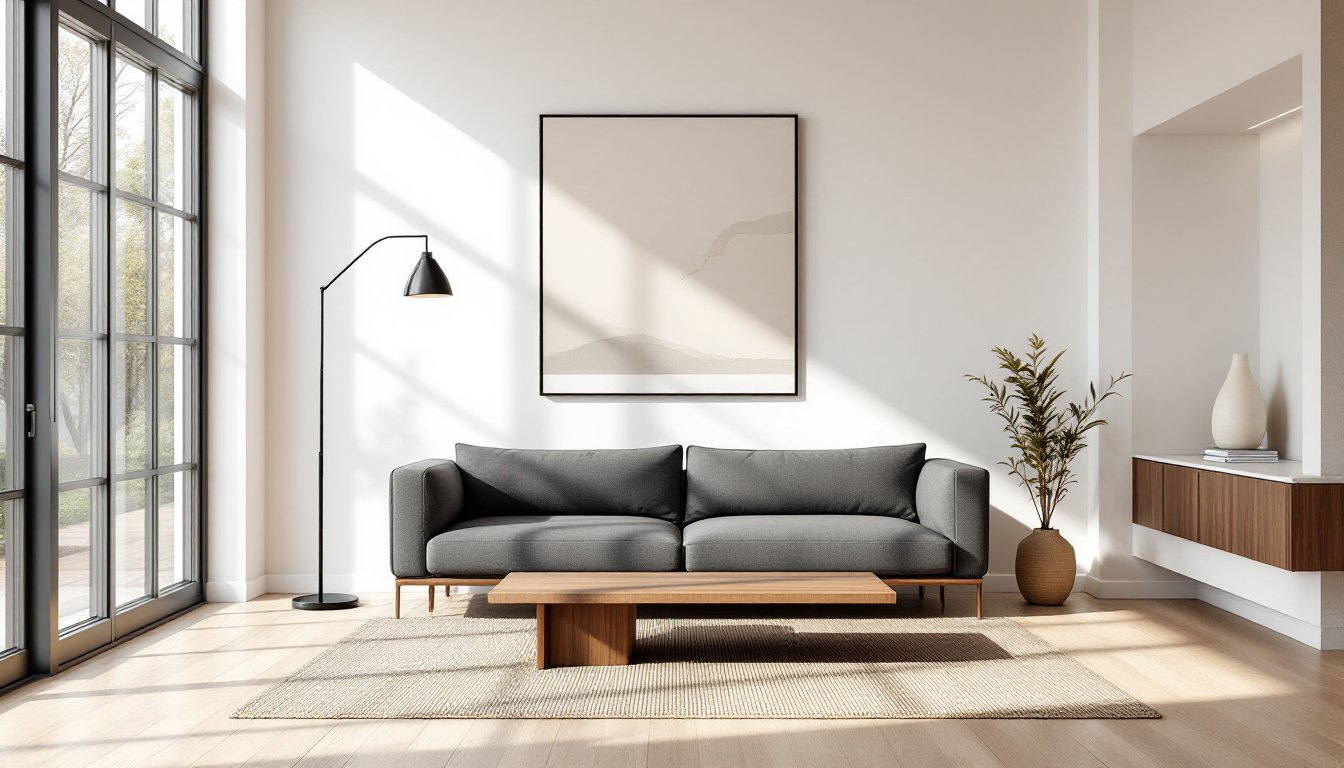

Minimalist interior design isn’t about cold, empty rooms or getting rid of everything you own. It’s about making intentional choices with what stays, what goes, and what you bring into your home. The style strips away the excess to reveal spaces that breathe, where every piece of furniture, every wall color, and every object has a purpose. For homeowners tired of visual clutter and cluttered surfaces, minimalism offers a practical framework for creating homes that feel calm, functional, and genuinely yours. This guide walks through the principles, techniques, and real-world steps to achieve a minimalist aesthetic without sacrificing comfort or personality.
Table of Contents
ToggleKey Takeaways
- Minimalist interior design prioritizes intentional choices and purposeful elements over abundance, creating calm, functional spaces without sacrificing comfort or personality.
- Quality over quantity is essential—invest in durable, well-made furniture and fixtures with clean silhouettes that will last decades rather than accumulating cheaper pieces.
- A neutral color palette of whites, beiges, grays, and soft earth tones forms the foundation of minimalist design, making rooms feel larger while allowing natural light and furnishings to shine.
- Strategic decluttering and the “nothing or one thing” rule for surfaces prevent visual clutter and make maintaining a minimalist aesthetic easier over time.
- Minimalist interior design uses hidden storage, floating shelves, and built-in solutions to keep daily essentials accessible while maintaining clean sightlines and an open feel.
What Is Minimalist Interior Design?
Minimalist interior design is an approach that prioritizes simplicity, clean lines, and intentional use of space. Rooted in mid-20th-century modernist movements and heavily influenced by Japanese design philosophy, minimalism rejects ornamentation in favor of function and restraint. The aesthetic is defined by neutral color palettes, uncluttered surfaces, and carefully curated furnishings that serve a clear purpose.
At its core, minimalism is not about deprivation. It’s about editing. A minimalist living room might feature a single sofa, a coffee table, and one statement piece of art, but each element is chosen for quality, comfort, and visual impact. The walls are typically painted in shades of white, beige, gray, or soft earth tones, allowing natural light to become a key design feature. Flooring is often hardwood, polished concrete, or large-format tile with minimal grout lines.
The style appeals to homeowners who want low-maintenance spaces that don’t require constant tidying or redecorating. According to Dwell, minimalist homes often emphasize sustainable materials and timeless design, reducing the need for frequent updates as trends shift. Unlike maximalist or eclectic styles that celebrate abundance, minimalism finds beauty in restraint, each object in the room earns its place through utility or meaning.
Core Principles of Minimalist Design
Quality Over Quantity
Minimalism demands investment in fewer, better pieces. Instead of filling a bedroom with a full furniture set from a big-box store, a minimalist approach might involve selecting a solid wood bed frame, a single nightstand, and a well-made dresser that will last decades. The reasoning is simple: quality materials age better, require less replacement, and contribute to a cohesive aesthetic.
When choosing furniture, look for pieces with clean silhouettes and durable construction. Solid hardwood, steel frames, and natural fibers (linen, wool, leather) hold up better than particleboard and synthetic upholstery. Pay attention to joinery, dovetail drawers and mortise-and-tenon joints indicate craftsmanship that will outlast stapled or glued construction. For upholstered items, removable covers in neutral tones allow for easier cleaning and longer lifespan.
This principle extends to decor. A single large-scale piece of art or a sculptural vase can anchor a room far more effectively than a gallery wall of mismatched frames. Design Milk frequently highlights furniture and objects that blend form and function, showcasing how thoughtful design elevates everyday items into focal points.
Function Meets Form
Every element in a minimalist space should justify its presence through utility, beauty, or both. A dining table isn’t just a surface, it’s a gathering point, a workspace, and a visual anchor. A well-designed living area balances seating, storage, and circulation without overcrowding the floor plan.
Storage is critical. Built-in cabinetry, floating shelves, and furniture with hidden compartments keep daily essentials accessible but out of sight. In kitchens, this might mean upper cabinets that extend to the ceiling to eliminate dust-collecting gaps, or drawer organizers that prevent utensil chaos. In bedrooms, platform beds with integrated storage or wall-mounted nightstands free up floor space and reduce visual weight.
Lighting also plays a functional and aesthetic role. Recessed can lights, pendant fixtures with simple geometric shapes, and floor lamps with adjustable arms provide task and ambient lighting without cluttering sightlines. Avoid ornate chandeliers or fixtures with excessive detailing, stick to materials like matte black metal, brushed nickel, or natural wood.
When selecting finishes, consider how they’ll wear. Matte or satin paint finishes (eggshell or satin sheen) hide imperfections better than high-gloss and maintain a soft, cohesive look. For flooring, wide-plank hardwood (6″ or wider) in light oak or maple creates a sense of openness, while polished concrete offers an industrial edge that’s both durable and low-maintenance.
How to Achieve a Minimalist Look in Your Home
Declutter and Simplify Your Space
Before buying a single piece of furniture or repainting a wall, the first step is clearing out what doesn’t serve you. This isn’t a weekend purge, it’s a methodical edit. Start with one room or category (closets, kitchen cabinets, bookshelves) and sort items into keep, donate, sell, or trash.
For furniture, ask whether each piece is actively used or merely taking up space. A formal dining set that never gets used might be replaced with a simple four- to six-person table in a neutral finish. Bulky entertainment centers can often be swapped for a low-profile media console or wall-mounted TV with concealed cable management.
Surfaces should be clear. Countertops, dressers, and side tables benefit from a “nothing or one thing” rule. If you need a spot for keys or mail, designate a single tray or bowl rather than scattering items. In the kitchen, store small appliances in cabinets rather than leaving them out, this reduces visual noise and makes cleaning easier.
Closets and storage areas require the same scrutiny. Invest in matching hangers (wood or velvet-coated), shelf dividers, and drawer organizers. Label bins for seasonal items or less-used gear. The goal is to create systems that prevent re-cluttering, not just temporary tidiness.
Choose a Neutral Color Palette
Minimalist interiors rely on neutral tones to create cohesion and calm. White, off-white, beige, gray, taupe, and soft earth tones form the foundation. These shades reflect light, make rooms feel larger, and provide a backdrop that won’t compete with furnishings or architecture.
When selecting paint, test samples on multiple walls and observe them at different times of day. A warm white like Benjamin Moore’s “White Dove” or Sherwin-Williams’ “Alabaster” works well in rooms with ample natural light, while cooler grays suit north-facing spaces. Matte or eggshell finishes are standard for walls: reserve satin for trim and semi-gloss for doors.
Flooring should complement the wall color without creating stark contrast. Light oak, white-washed pine, or pale maple hardwood (actual dimensions: 3/4″ thick, 2-1/4″ to 6″ wide) pairs well with white or beige walls. For a Scandinavian-inspired approach, consider wide-plank engineered hardwood in a matte finish, which offers stability in varying humidity and a clean, modern look.
Textiles add warmth without breaking the palette. Linen or cotton curtains in ivory or light gray soften windows without blocking light. Area rugs in natural fibers, jute, sisal, or wool in cream or beige, define zones and add texture underfoot. Throw pillows and blankets can introduce subtle variation through fabric weight (chunky knit, smooth linen, soft velvet) rather than color contrast.
Accent colors, if used, should be restrained. A single piece of furniture in charcoal, a muted terracotta vase, or a black-framed mirror can provide visual interest without overwhelming the space. Homedit showcases numerous examples of minimalist interiors where one or two accent elements anchor otherwise neutral rooms.
For wall treatments, consider leaving some walls bare or featuring a single large-scale piece of art. If you prefer decorative wall design, opt for subtle texture, shiplap painted the same color as the surrounding walls, or a single accent wall in a slightly darker shade of the base color.
When planning a dining area or open-concept space, maintain the same palette throughout to avoid visual fragmentation. Transition between rooms should feel seamless, with consistent flooring, trim color, and wall tones creating a unified flow.