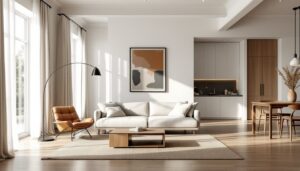


Ever checked into a hotel room and felt instantly relaxed, even before dropping your bags? That’s hospitality interior design at work. It’s a professional approach that prioritizes comfort, function, and a sense of arrival. The good news? You don’t need a renovation budget or a design degree to bring those same principles into your home. Whether you’re upgrading a guest bedroom or creating a spa-like bathroom, hospitality design offers a proven blueprint for spaces that feel welcoming, polished, and genuinely comfortable. This guide breaks down the core elements and shows how to apply them room by room.
Table of Contents
ToggleKey Takeaways
- Hospitality interior design prioritizes guest comfort, intuitive function, and clear traffic flow—removing friction by eliminating obstacles, ensuring 24-inch clearances around beds, and using layered lighting for different activities.
- Neutral color bases paired with strategic texture layering—warm whites, soft grays, linen, velvet, and natural wood—create calm, inviting spaces that feel polished and adaptable without visual fatigue.
- A luxury guest bedroom anchor starts with a quality mattress, 300+ thread count linens, four pillows, swing-arm bedside lamps with USB outlets, and blackout shades behind curtains for light control and comfort.
- A spa-like bathroom requires large-format tile to minimize grout lines, flank-mounted vanity sconces at 60-66 inches for shadow-free lighting, and heated elements like towel racks or radiant floors to elevate the experience.
- Hospitality design doesn’t require a commercial budget—focus investment on high-contact surfaces (mattresses, faucets, flooring), quality textiles, proper ventilation, and intentional zoning to transform any room into a welcoming retreat.
- Strategic material selection, such as 600+ GSM towels, travertine tile, and teak accents, ensures durability and warmth while smaller details like luggage benches, niches in showers, and humidity-sensing exhaust fans provide invisible convenience.
What Is Hospitality Interior Design?
Hospitality interior design is the practice of creating spaces that prioritize guest comfort, intuitive function, and a memorable first impression. It originated in hotels, resorts, and restaurants, where every design choice, from lighting placement to bedding thread count, is tested against real-world use. Unlike residential design, which can lean heavily on personal taste, hospitality design is user-centered and performance-driven.
The goal is simple: make strangers feel at home, fast. That means durable materials, thoughtful layouts, and layered lighting that adapts to different needs. A well-designed hotel room anticipates what a guest might need, bedside outlets, a luggage bench, blackout shades, a full-length mirror, without cluttering the space. It’s about invisible convenience and visible warmth.
At home, these same principles translate into rooms that work harder and feel better. A guest bedroom that rivals a boutique hotel. A bathroom with spa-grade fixtures and finishes. Hospitality design doesn’t require a commercial budget, but it does demand intentionality in material selection, layout planning, and the often-overlooked details that separate a room from an experience.
Key Elements of Hospitality-Inspired Interiors
Comfort and Functional Layouts
Comfort in hospitality design isn’t about throwing more pillows on the bed, it’s about removing friction. Start with traffic flow. In a hotel, pathways are clear, furniture doesn’t block doors, and guests can navigate the room in low light without stubbing a toe. Apply that logic at home: measure clearances around beds (24 inches minimum on each side for easy movement), position seating to encourage conversation without crowding, and avoid placing furniture where it obstructs natural light or sight lines.
Zoning is another hospitality staple. Even a small hotel room separates sleeping, working, and grooming areas. At home, use area rugs, lighting shifts, or furniture arrangement to define zones within open spaces. In a guest room, that might mean a reading chair with a swing-arm wall sconce and a small side table, creating a functional micro-zone without adding square footage.
Don’t skip task lighting. Hotels layer ambient, task, and accent lighting to support different activities. Bedside lamps should have three-way bulbs or dimmers. Bathroom vanities need even, shadow-free light (think sconces flanking a mirror, not a single overhead fixture). Under-cabinet lighting in a wet bar or kitchenette isn’t just decorative, it’s functional.
Finally, invest in quality where it counts. Hotels replace mattresses every 7-10 years and choose commercial-grade upholstery fabrics rated for 30,000+ double rubs. You don’t need hospitality-grade everything, but prioritize high-contact surfaces: mattress and pillow quality, faucet and hardware durability, and flooring that can handle foot traffic. For insights on balancing function and style across other spaces, the interior design process provides a structured roadmap.
Inviting Color Palettes and Textures
Hospitality interiors favor neutral bases with strategic color and texture layering. Think warm whites, soft grays, taupes, and greiges, tones that feel calm and timeless, not cold. These backdrops allow for flexibility in accents and reduce visual fatigue, which matters in a space meant for relaxation.
But neutral doesn’t mean flat. Texture is the workhorse of hospitality design. Layer materials: linen curtains, wool or jute rugs, velvet or leather upholstery, matte-finish walls, and natural wood or stone accents. The interplay of matte and subtle sheen (like a satin-finish pillow or brushed brass hardware) adds depth without pattern overload.
When adding color, use the 60-30-10 rule: 60% dominant neutral, 30% secondary tone (often a muted earth tone or soft blue/green), and 10% accent color in art, throws, or accessories. This ratio keeps rooms cohesive and adaptable. Swap out the 10% seasonally or as trends shift without a full repaint.
Organic materials ground the palette. Incorporate live-edge wood, stone tile, linen bedding, or rattan accents. These materials age well and add warmth that synthetic finishes can’t match. In a bathroom, a teak shower bench or travertine tile brings spa-like texture. In a bedroom, a chunky knit throw or chambray duvet cover softens the space.
For color inspiration that balances calm and character, many designers look to examples like those featured in design ideas from New York’s 11 Howard Hotel, which demonstrates how limiting color schemes can amplify impact.
How to Apply Hospitality Design Principles at Home
Create a Luxurious Guest Bedroom Retreat
Start with the bed, it’s the non-negotiable anchor. Choose a quality mattress (medium-firm hybrids or memory foam are crowd-pleasers) and invest in 300+ thread count cotton or linen sheets. Hospitality pros know that percale weaves breathe better than sateen in warm climates, while sateen offers a silkier hand in cooler regions. Layer with a duvet (not a comforter, duvets have removable, washable covers) and at least four pillows: two firm for sleeping, two softer Euro shams for sitting up.
Bedside essentials: Install swing-arm reading lamps or wall-mounted sconces with individual switches so guests don’t need to get up to turn off lights. Add outlets with USB ports if existing electrical allows (a simple box swap, no permit needed in most jurisdictions, but consult local codes). Include a small nightstand on each side with a clock, coaster, and a small tray for jewelry or glasses.
Keep closet and luggage storage accessible. A luggage rack or bench at the foot of the bed prevents suitcase-on-floor chaos. If the closet is shallow, install a second rod or add slimline velvet hangers to maximize space. Provide at least six empty hangers.
For a finishing touch, consider elements borrowed from living room minimalist design, which emphasizes decluttering and intentional decor. A single piece of art above the bed, a potted plant, and a soft area rug (at least 5’×8′ for a queen bed, extending 18-24 inches on three sides) complete the cocoon without visual clutter.
Window treatments matter. Layer blackout roller shades behind linen or cotton curtains. The roller provides light control: the curtains add softness and sound dampening. Mount curtain rods close to the ceiling and extend them 6-12 inches beyond the window frame on each side to make windows appear larger and allow full light when open.
Design a Spa-Like Bathroom Experience
A spa bathroom starts with surface prep and material selection. If you’re renovating, choose large-format porcelain or natural stone tile (12″×24″ or larger) to minimize grout lines and simplify cleaning. For a DIY tile job, ensure your substrate is flat and use a leveling system (clips and wedges) to prevent lippage. If the floor isn’t level within 1/8″ over 10 feet, self-leveling compound is a must before tile goes down. This isn’t optional, uneven tile telegraphs every flaw and can crack under point loads.
Plumbing upgrades bring immediate luxury. Swap a builder-grade showerhead for a rainfall or dual-head system. Most are direct swaps requiring only a wrench and Teflon tape on threads, no plumber needed. If going with a handheld plus fixed head, verify your water pressure (most homes run 40-60 psi: below 40, a pressure booster may be needed). Install a thermostatic mixing valve if your budget allows: it prevents temperature swings when a toilet flushes.
Lighting is critical. Flank the vanity mirror with vertical sconces at eye level (roughly 60-66 inches to the fixture center) for even, shadow-free light. Use LED bulbs in the 2700-3000K range (warm white) at a minimum CRI of 90 so skin tones look natural. Overhead lighting alone creates harsh shadows, not the look you want.
Heated elements elevate the experience. A heated towel rack (plug-in models start around $100-150 and require no hardwiring) or radiant floor heating (requires subflooring access and adds roughly $10-15 per square foot in materials) turn a standard bathroom into a retreat. If installing radiant heat, use a programmable thermostat so the floor is warm when you wake up, not running 24/7.
For those exploring other room transformations with similar attention to detail, the principles behind dining room interior design and drawing room layouts share the same emphasis on zoning, lighting layers, and material quality.
Storage and display: Hospitality bathrooms keep counters clear. Install recessed niches in the shower (plan these before tile goes up, a 12″×24″ niche between studs is standard). Use floating vanities to create a sense of space and simplify floor cleaning. Add small luxuries: a wooden tray with rolled hand towels, a lidded jar for cotton rounds, a small plant that tolerates humidity (pothos, ferns).
Finish with quality textiles. Choose 600+ GSM cotton towels in white or a single neutral tone (they launder easier and look cleaner longer). Provide a bath mat with non-slip backing and a waffle-weave robe on a hook. For broader design exploration and room-specific inspiration, platforms like Homify and Dwell showcase real-world applications of hospitality principles in residential contexts.
Ventilation is non-negotiable. If there’s no window, install or upgrade the exhaust fan. Size it correctly: bathroom CFM (cubic feet per minute) should equal square footage for standard 8-foot ceilings, higher for larger or steam-prone spaces. A timer switch or humidity-sensing switch ensures it runs long enough to clear moisture, most DIYers under-ventilate, leading to mold and paint failure.
For final touches that tie the room together, consider how interior living room wall treatments use texture and color to create focal points, a technique that works equally well on a bathroom accent wall behind a freestanding tub or vanity.