
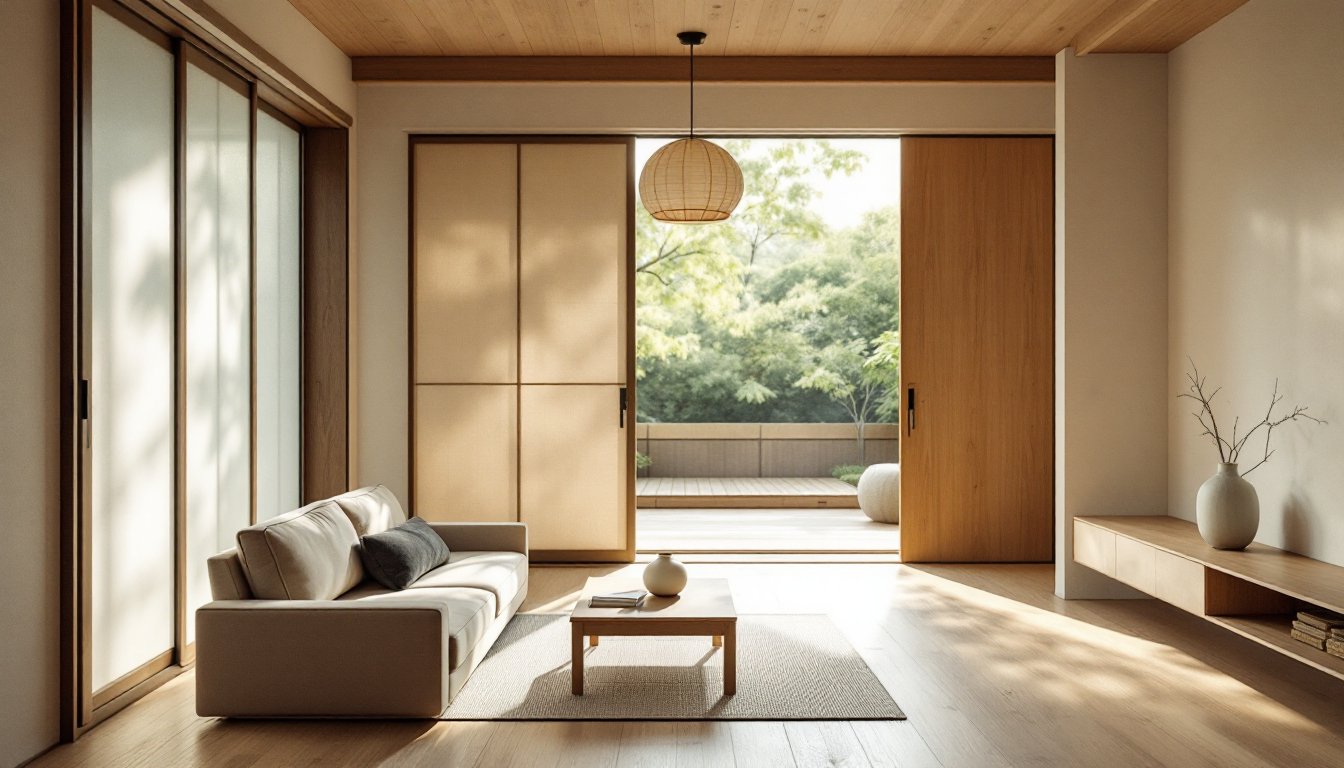

Modern Japanese interior design isn’t about buying a bamboo mat and calling it a day. It’s a disciplined approach to creating spaces that breathe, function, and stay uncluttered without feeling sterile. Rooted in centuries of tradition but adapted for contemporary living, this style strips away excess while preserving warmth through natural materials, purposeful furniture, and layouts that respect both flow and function. Homeowners tackling this aesthetic need to understand that it’s not minimalism for minimalism’s sake, it’s intentional design where every element earns its place. This guide walks through the core principles, materials, color strategies, furniture choices, and spatial planning needed to execute a modern Japanese interior that works for real life, not just Instagram.
Table of Contents
ToggleKey Takeaways
- Modern Japanese interior design prioritizes intentional, purposeful elements over pure minimalism, balancing restraint with natural warmth through materials like wood, stone, and linen rather than sterile all-white spaces.
- Core principles including ma (negative space), wabi-sabi (imperfection), restraint, and natural materiality form the foundation of modern Japanese interior design, where every piece must earn its place functionally or visually.
- Essential design elements like shoji screens, tatami mats, and fusuma sliding doors create flexible spatial divisions while maintaining open sightlines and clean lines without traditional Western closets or partitions.
- Color palettes should remain subdued using off-whites, warm grays, beiges, and natural wood tones, with accent colors introduced sparingly through natural dyes like indigo, olive, or charcoal in textiles and furniture.
- Furniture in modern Japanese interiors sits low to the ground with clean, boxy silhouettes and exposed joinery, favoring multi-functional pieces that conceal storage and maintain open floor plans.
- Spatial layouts should prioritize fluid movement with subtle zoning through material shifts and semi-transparent partitions rather than rigid room divisions, keeping pathways clear and surfaces intentionally sparse.
What Defines Modern Japanese Interior Design?
Modern Japanese interior design blends traditional Japanese aesthetics, wabi-sabi (beauty in imperfection), ma (negative space), and kanso (simplicity), with contemporary materials and functionality. The result is a clean, calm environment that prioritizes quality over quantity and natural textures over synthetic finishes.
Unlike Western minimalism, which can feel cold or overly sparse, Japanese design balances restraint with tactile warmth. Think exposed wood grain, paper screens, and stone accents rather than all-white drywall. The spaces are low-slung, horizontal, and open, often borrowing visual concepts from traditional minimalist interiors but with a distinctly Japanese focus on modularity and multi-use areas.
This isn’t a style that hides behind décor or bold statements. If something’s in the room, it’s there for a reason, whether functional, structural, or serving as a visual anchor.
Core Principles of Japanese Minimalism
The foundation rests on three guiding concepts. First, restraint, fewer pieces mean each one matters. A single ceramic vase on a floating shelf carries more weight than a crowded mantel. Second, natural materiality, wood, stone, linen, and paper dominate. Synthetic materials are used sparingly, often concealed. Third, spatial flow, rooms aren’t boxed off. Sliding doors, open sightlines, and low furniture keep transitions smooth.
Ma, the principle of negative space, is critical here. It’s not about leaving rooms empty, it’s about giving elements room to breathe. Walls aren’t crammed with art: floors aren’t covered edge-to-edge with rugs. The space itself becomes part of the composition.
Finally, wabi-sabi embraces impermanence and imperfection. A hand-carved wooden table with subtle grain variations or a textured plaster wall beats a high-gloss laminate every time. Projects inspired by Scandinavian interior design often share this appreciation for raw, honest materials.
Essential Elements to Incorporate
Successful modern Japanese interiors rely on a curated set of materials and features. Start with shoji screens, wood-framed panels with translucent rice paper or frosted acrylic. These diffuse light beautifully and work as room dividers without killing sightlines. Install them on ceiling tracks for flexibility: they’re ideal between living and dining zones or to section off sleeping areas in open-plan homes.
Tatami mats traditionally serve as modular flooring, but in modern applications, they’re often used as area rugs or in designated alcoves. Standard size is roughly 3 feet by 6 feet (actual dimensions: 35″ x 71″). If installing wall-to-wall tatami, prep the subfloor carefully, any unevenness will telegraph through. They’re not cheap and require periodic replacement, but the natural rush grass smell and cushioned feel are unmatched.
Fusuma (opaque sliding doors) and built-in storage keep clutter out of sight. Unlike Western closets with bifold or hinged doors, fusuma slide into wall pockets or stack neatly. This saves floor space and maintains clean lines. DIYers can retrofit sliding door hardware into existing openings: brands like Johnson Hardware make barn-door-style kits adaptable to lighter shoji-style panels.
Natural Materials and Organic Textures
Wood is non-negotiable. Opt for light hardwoods, maple, ash, or Japanese cypress (hinoki) if budget allows. Stain sparingly: the goal is to showcase natural grain, not mask it. For flooring, wide-plank oak or bamboo (which isn’t traditional but fits the aesthetic) works well. Finish with low-VOC oils or water-based polyurethane in matte or satin, never high-gloss.
Stone appears in feature walls, countertops, or as decorative accents. Granite, slate, and river rock bring texture without pattern overload. A stacked stone accent behind a soaking tub or flanking a low credenza adds grounding weight to an otherwise airy room.
Textiles lean toward linen, cotton, and wool in their natural states, undyed or lightly pigmented. Avoid synthetic fibers and busy prints. A chunky linen throw or raw cotton cushions in neutral tones reinforce the organic palette. Resources like Design Milk regularly feature furniture and textile makers who align with these material philosophies.
Color Palettes That Create Calm
Modern Japanese interiors are famously subdued. The base palette sticks to off-whites, warm grays, beiges, and soft taupes, all punctuated by the natural tones of wood and stone. Paint finishes should be matte or eggshell, never semi-gloss, which reads too slick.
For walls, consider Benjamin Moore’s White Dove (OC-17) or Sherwin-Williams’ Accessible Beige (SW 7036), both warm neutrals that don’t skew yellow or pink. If you’re DIYing a plaster finish for texture, mix joint compound with a small amount of acrylic paint and trowel it on in irregular strokes. Sand lightly once dry for a subtle, organic look.
Accent colors enter through natural dyes: charcoal, deep indigo, olive, rust, or charcoal brown. These show up in textiles, pottery, or a single piece of furniture, like a dark-stained console or an indigo-dyed linen runner. The key is restraint. One accent per room, two at most.
Avoid bright, saturated colors and glossy metallics. If hardware or fixtures are needed (cabinet pulls, light switches), matte black or brushed steel blends without competing. Inspiration drawn from Danish interior design similarly emphasizes this neutral, nature-forward color discipline.
Furniture Selection for Modern Japanese Spaces
Furniture sits low to the ground and maintains clean, boxy silhouettes. Look for pieces with exposed joinery, dovetails, mortise-and-tenon, or finger joints, that celebrate craftsmanship rather than hide it. Platform beds (typically 10–14 inches off the floor) replace tall bed frames. Pair them with simple linen bedding and a low wooden headboard or none at all.
Seating follows the same logic. Low-profile sofas and armless lounge chairs keep sightlines open. Avoid overstuffed sectionals or recliners. Opt for firm cushions in natural fabrics. Brands making Japanese-inspired furniture often use solid hardwood frames with mortise-and-tenon construction, this isn’t particleboard-and-staples territory.
Multi-functional pieces earn their place. A low table with hidden storage, a bench that doubles as a room divider, or nesting side tables that tuck away when not in use. Modularity is your friend. If building custom, use 3/4-inch plywood or solid hardwood, and finish edges with iron-on banding or hand-rubbed oil.
Storage should be concealed. Built-in cabinetry with flush-mounted, handleless doors keeps surfaces unbroken. Push-to-open hardware or recessed finger pulls maintain the minimalist look. For a DIY built-in, frame with 2×4 studs on 16-inch centers, clad with 1/2-inch plywood, and finish with the same wall treatment for seamless integration. Homes applying principles from mid-century modern interiors often share this emphasis on functional, well-built furniture.
Creating Flow with Spatial Layouts
Japanese interiors prioritize fluidity over rigid room divisions. Open floor plans work well, but not in the Western sense of one massive space. Instead, use subtle zoning, changes in floor level (a sunken conversation pit), material shifts (tatami mat area versus hardwood), or semi-transparent partitions (shoji screens) to define areas without walls.
Start by identifying primary pathways. Furniture should never block natural movement between zones. Leave at least 36 inches of clearance around key circulation routes, more if the space is heavily trafficked. Arrange seating to face inward or toward a focal point (a low table, a window view, a simple alcove with a scroll or vase).
Ceiling height matters less than horizontal expanse. If you’re renovating, resist the urge to vault ceilings. Japanese design keeps things grounded. Standard 8- or 9-foot ceilings work fine: just avoid heavy crown molding or ornate fixtures. Recessed lighting or paper pendant lamps provide diffuse, non-directional illumination, key for maintaining that calm atmosphere.
Engawa, covered transitional spaces between indoors and outdoors, inspire modern interpretations like wide window sills, glass-walled sunrooms, or sliding doors that open entire walls to a garden or deck. If you’re adding or enlarging openings, consult local building codes. Many jurisdictions require headers over openings wider than 3 feet in load-bearing walls, and permits are likely necessary.
Finally, declutter ruthlessly. Storage solutions should hide everyday items. Countertops, shelves, and tabletops stay bare except for one or two intentional objects. Modern examples featured on Dwell showcase this spatial discipline in contemporary Japanese homes. Layouts inspired by transitional style interiors can incorporate similar flow principles while blending classic and modern influences.
Safety note: When installing sliding doors or modifying walls, always check for electrical wiring and plumbing before cutting. Use a stud finder with AC detection to avoid surprises. Wear safety goggles and a dust mask when cutting or sanding wood and drywall. If structural modifications are involved, removing walls, altering support beams, or changing floor levels, hire a structural engineer and pull the necessary permits. DIY cosmetic updates are manageable: messing with your home’s skeleton isn’t.