
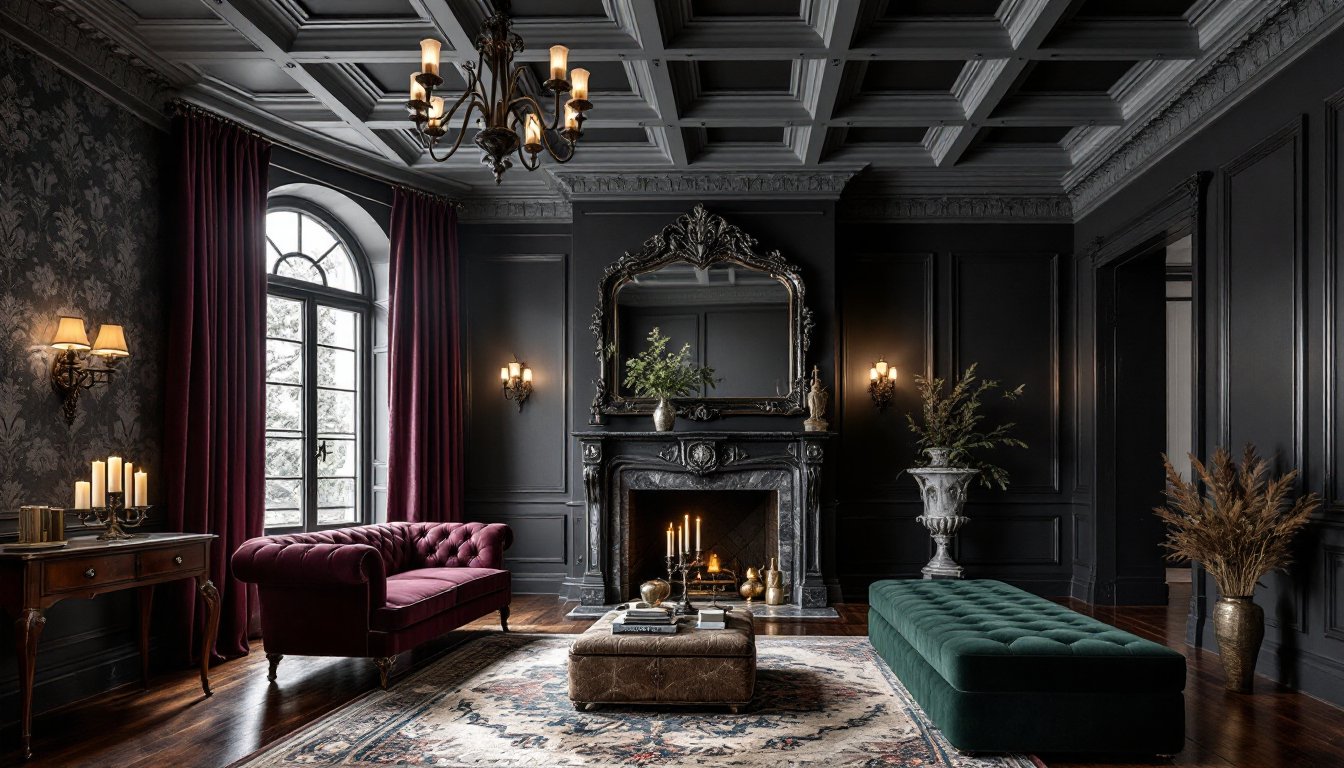

Goth interior design isn’t about Halloween props or teenage rebellion, it’s a sophisticated aesthetic that blends Victorian elegance, moody color schemes, and dramatic architectural details into livable, functional spaces. Think rich textures, ornate metalwork, and layered lighting that creates depth rather than darkness. Homeowners drawn to this style want rooms with personality and gravitas, not sterile minimalism. The goth aesthetic has evolved significantly, moving from niche subculture into mainstream design conversations, particularly as 2026 trends embrace maximalism and historical references. This guide walks through the core elements, room-by-room applications, and DIY projects that help create a darkly elegant home without requiring a castle or a contractor.
Table of Contents
ToggleKey Takeaways
- Goth interior design combines Victorian elegance, moody color palettes, and dramatic details to create sophisticated, livable spaces rather than Halloween-themed rooms.
- Dark, saturated hues like matte black, deep purples, burgundies, and jewel tones form the foundation of goth interiors, paired with rich textures such as velvet, leather, and brocade.
- Strategic layered lighting through chandeliers, sconces, and dimmers is essential to create atmospheric depth without making spaces feel oppressive.
- Goth design works best in rooms with existing architectural character like high ceilings and original millwork, but you can introduce goth elements into any space through paint, furniture, and lighting choices.
- DIY projects like distressed mirror frames, stenciled accent walls, and velvet upholstery updates allow homeowners to build a darkly elegant aesthetic incrementally within budget.
- Quality materials and careful execution matter more in goth interiors—flaws stand out dramatically against dark backgrounds, so invest in proper primers, finishes, and appropriate furniture scale for your space.
What Is Goth Interior Design?
Goth interior design draws from Gothic architecture, Victorian-era craftsmanship, and the romantic aesthetic of 19th-century literature. It prioritizes atmosphere over minimalism, think candlelit libraries, velvet upholstery, and carved wood rather than stark white walls and chrome fixtures.
Key characteristics include:
- Dark color palettes (blacks, deep purples, burgundies, charcoal grays)
- Rich, tactile materials (velvet, leather, brocade, heavy damask)
- Ornate architectural details (crown molding, wainscoting, coffered ceilings)
- Dramatic lighting (chandeliers, sconces, dimmer switches, candelabras)
- Gothic motifs (pointed arches, quatrefoils, wrought iron accents)
This isn’t a style that works well in cookie-cutter suburban builds without modification. Rooms with existing character, high ceilings, original millwork, bay windows, provide better bones. That said, homeowners can introduce goth elements into any space through strategic choices in paint, furniture, and lighting. Many who explore steampunk interior design find overlap with goth aesthetics, particularly in metalwork and historical references.
Essential Elements of Goth Interior Design
Color Palettes and Wall Treatments
Goth interiors rely on deep, saturated hues that absorb light rather than reflect it. Matte black remains the anchor color, but successful rooms layer in jewel tones, oxblood red, midnight blue, forest green, or plum.
For walls, consider:
- Matte or eggshell black paint: Use high-quality paint like Benjamin Moore’s Onyx or Sherwin-Williams’ Tricorn Black. Coverage typically runs 350–400 sq ft per gallon. Primer is non-negotiable, two coats of tinted primer prevent patchiness.
- Textured wallpaper: Victorian damask patterns, flocked velvet designs, or embossed gothic motifs add dimension. Wallpaper works best as an accent wall rather than full-room coverage, especially in smaller spaces.
- Wainscoting or board-and-batten: Painting millwork in contrasting dark shades (charcoal wainscoting with black walls) creates depth. Standard wainscoting height is 32–36 inches.
- Exposed brick or stone veneer: If the home has original brick, leave it exposed and seal it with a matte masonry sealer. Faux stone veneer panels are an alternative but require careful installation to avoid a fake appearance.
Safety note: Always use respirators rated for VOCs when painting in enclosed spaces, especially with dark colors that require multiple coats.
Furniture and Statement Pieces
Goth furniture leans heavily on Victorian, Gothic Revival, and Baroque influences. Look for:
- Carved wood frames: Mahogany, walnut, or ebonized oak with ornate details, claw feet, finials, turned spindles.
- Upholstery in velvet or leather: Deep-tufted Chesterfield sofas, wingback chairs, or fainting couches. Velvet wears well in low-traffic areas but shows wear quickly on dining chairs.
- Wrought iron or blackened steel: Bed frames, side tables, and shelving units with scrollwork or Gothic arch motifs. Verify weight ratings, decorative iron often can’t handle heavy loads.
- Antique or reproduction pieces: Estate sales and architectural salvage yards yield mantels, mirrors, and cabinets. Reproductions from import retailers work if budget is tight, but quality varies wildly.
For a room that balances industrial edge with gothic sensibility, some homeowners incorporate elements seen in industrial loft design, particularly metal shelving and exposed structural components.
Scale matters. Overstuffing a 10×12 bedroom with a king-size carved bed and two armoires creates claustrophobia, not ambiance. Measure doorways and hallways before buying oversized furniture, Victorian pieces were built for homes with wider passages.
How to Incorporate Goth Design in Different Rooms
Living Room:
This is the showcase space. Focus on a statement sofa in charcoal or burgundy velvet, flanked by carved wood side tables. Hang heavy drapes in blackout-weight velvet or brocade, these control light and add vertical drama. Mount curtain rods at ceiling height to emphasize room height. A large ornate mirror (ideally with an aged or darkened finish) over the mantel reflects light and makes the room feel larger. Layered lighting is critical: a central chandelier (wrought iron or crystal), wall sconces, and table lamps with fabric shades. All should be on dimmers. According to Homedit, mixing matte and metallic finishes prevents rooms from feeling flat.
Bedroom:
Canopy beds or four-poster frames work well here, especially when draped with sheer black or deep plum fabric. Keep bedding in rich textures, duvet covers in velvet or sateen, linen sheets, faux fur throws. Wall-mounted sconces free up nightstand space and create ambient lighting for reading. Blackout roman shades or cellular shades behind decorative curtains ensure the room stays dark for sleep. If the ceiling is plain drywall, consider adding a medallion around a pendant fixture or even faux tin ceiling tiles painted matte black.
Dining Room:
A heavy wood table (or a table refinished in dark stain) anchored by high-backed upholstered chairs sets the tone. A wrought iron or Gothic-style chandelier should hang 30–36 inches above the table surface. Candlesticks and candelabras are practical here, use dripless taper candles to avoid wax cleanup. Built-in china cabinets or open shelving painted black can display dark glassware, pewter, or vintage serving pieces. Wallpaper with a damask or toile pattern in charcoal and black adds formality without feeling stuffy.
Bathroom:
Small spaces benefit from restraint. Paint walls in deep charcoal rather than pure black to avoid a cave-like feel. Swap builder-grade chrome fixtures for oil-rubbed bronze or matte black faucets and towel bars. A clawfoot tub (if space and budget allow) is peak goth, but even a standard alcove tub can be upgraded with a black shower curtain and vintage-style hardware. Use subway tile with black grout or small-format hex tiles in charcoal. Wall-mounted apothecary jars and vintage mirrors add character without clutter. Ventilation is crucial, goth bathrooms can feel damp and oppressive without proper airflow. Ensure the exhaust fan meets code (typically 50 CFM minimum for bathrooms under 100 sq ft).
Home Office:
Dark walls actually reduce screen glare, making this a surprisingly practical choice. Built-in bookshelves painted black or deep green, a heavy wood desk, and a leather office chair create a library-like atmosphere. Task lighting is essential, use an adjustable desk lamp with warm LED bulbs (2700K–3000K). If the room lacks architectural detail, add picture frame molding or a coffered ceiling treatment. For more on creating functional workspaces, homeowners often reference interior design process guides to balance aesthetics and usability.
DIY Goth Decor Projects for Homeowners
Distressed Mirror Frame:
Purchase an unfinished wood mirror frame (or salvage an old one). Sand it smooth, then apply black acrylic paint. Once dry, use fine-grit sandpaper (220-grit) to distress edges and raised details. Seal with matte polyurethane. This works on picture frames, too. Cost: $15–$40 depending on frame size. Tools needed: sandpaper, paintbrush, drop cloth. Time: 2–3 hours including dry time.
Stenciled Accent Wall:
Choose a Gothic motif stencil (quatrefoils, fleur-de-lis, damask). Paint the base wall matte black. Use a stencil brush and metallic or glossy black paint to apply the pattern. Tape the stencil securely and dab (don’t brush) to prevent bleed-through. This technique adds texture without wallpaper cost. Stencils run $12–$30: metallic paint about $18/pint. A 10×8 wall takes 4–6 hours.
Candelabra Chandelier Conversion:
Find a used chandelier at a thrift store or salvage yard. Remove old wiring (turn off power at the breaker first). Spray paint the frame with Rust-Oleum matte black or hammered bronze. Rewire if comfortable with basic electrical (or hire an electrician, DIY wiring that doesn’t meet NEC code is a fire risk). Replace bulbs with flame-tip LED candelabra bulbs. Cost: $40–$100 depending on chandelier condition. Electrical work beyond replacing a fixture may require a permit, check local code.
Velvet Upholstery Update:
Recover dining chair seats or ottoman tops with velvet fabric. Remove the seat (usually four screws from underneath). Remove old fabric and batting. Cut new batting to size (½-inch thick foam works well). Stretch velvet over the seat, stapling along the underside. Trim excess and reattach. Velvet runs $20–$40/yard: a dining chair seat needs about ¼ yard. Tools: staple gun, scissors, screwdriver. Time: 30–45 minutes per seat. Design inspiration sites like MyDomaine often feature upholstery makeovers that demonstrate this technique.
Crown Molding Installation:
Adding crown molding (or picture frame molding lower on the wall) introduces Victorian character. Use primed MDF molding in profiles with decorative curves, 3½-inch to 5½-inch crown is standard for 8-foot ceilings. Measure and cut angles with a miter saw (a coping saw works for inside corners). Attach with construction adhesive and 18-gauge finish nails, using a nail gun or hammer and nail set. Fill nail holes with wood filler, caulk seams, then paint matte black. Cost: $1.50–$3/linear foot for molding. This is a weekend project for a 12×14 room. Safety gear: safety glasses, ear protection if using a miter saw or compressor.
Many interior living room wall design projects incorporate similar molding techniques to add dimension and architectural interest.
Conclusion
Goth interior design rewards patience and attention to detail. It’s not a style that tolerates shortcuts, cheap furniture, poorly applied paint, or mismatched finishes stand out more in a dark, dramatic space than they would in a neutral one. Start with one room, invest in quality materials, and layer in complexity over time. The result is a home that feels intentional, atmospheric, and distinctly personal.