
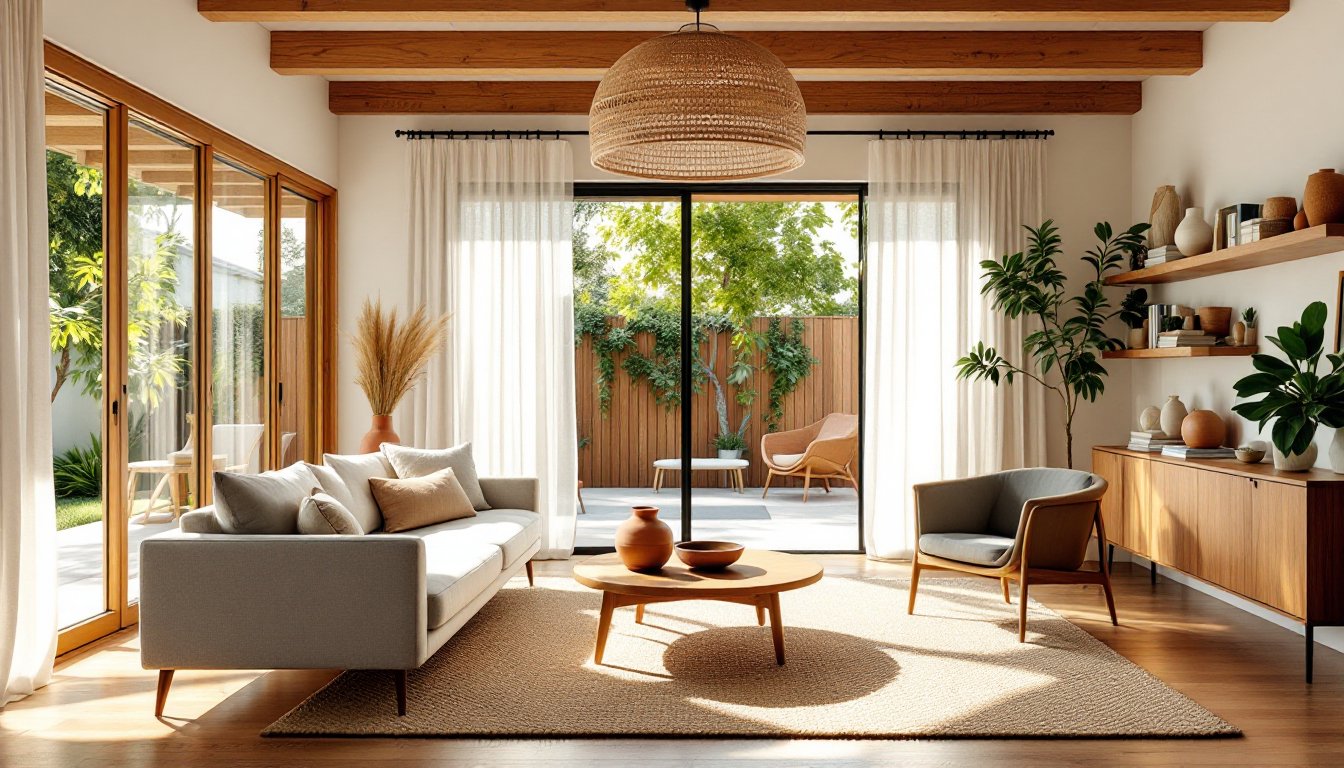

California interior design isn’t just a style, it’s a feeling. It’s sun-soaked mornings in open spaces, natural textures underfoot, and a color palette that mirrors the Pacific horizon. Whether renovating a bungalow or refreshing a rental, the California aesthetic balances effortless elegance with livable comfort. This approach emphasizes natural light, organic materials, and a connection to the outdoors. It’s not about buying expensive furniture: it’s about making deliberate choices that reflect the relaxed West Coast mindset. From choosing the right white oak flooring to sourcing linen upholstery, here’s how to recreate California’s signature laid-back luxury without hiring a decorator.
Table of Contents
ToggleKey Takeaways
- California interior design combines natural light, organic materials, and indoor-outdoor living with effortless elegance and a relaxed West Coast mindset.
- Natural materials like white oak flooring, linen textiles, and honed stone countertops age gracefully and define authentic California interiors without the need for expensive designer furniture.
- Warm white paint colors, soft neutrals, and muted accent tones inspired by the landscape create sun-soaked, airy spaces that shift throughout the day with natural light.
- Maximize functionality by floating furniture to create zones, layering lighting with recessed fixtures and linen-shaded lamps, and using built-ins and open shelving for storage that maintains the uncluttered California aesthetic.
- Transform your space on a budget by starting with quality paint, sourcing secondhand wood furniture, hemming your own linen curtains, and embracing imperfection that feels personal rather than staged.
What Defines California Interior Design Style?
California interior design is rooted in the state’s unique geography and lifestyle. It blends mid-century modernism, Spanish Revival influences, and coastal minimalism. The result is a look that feels simultaneously polished and unpretentious.
The style prioritizes indoor-outdoor living. Large sliding glass doors, ample windows, and open floor plans blur the boundaries between interior spaces and patios or gardens. This isn’t just aesthetic, it’s functional. Natural ventilation reduces reliance on HVAC systems, and daylighting cuts down on artificial lighting needs during the day.
Materials reflect the landscape: weathered wood reminiscent of driftwood, stone that echoes canyon walls, and metals with warm patios. There’s an emphasis on craftsmanship over mass production. Handmade ceramics, woven baskets, and custom joinery are common. The palette is neutral but warm, pulling from sand, sage, terracotta, and ocean tones.
Unlike the stark minimalism popular in some modern design, California interiors embrace texture and layering. A room might feature a jute rug, linen drapes, plaster walls, and reclaimed wood beams, all working together to create depth without clutter. The goal is a space that feels collected over time, not staged for a magazine shoot.
Key Elements of California-Inspired Interiors
Natural Materials and Textures
Authentic California design relies on materials that age gracefully. White oak and walnut are preferred for flooring and cabinetry, they’re durable, look better with wear, and come in wide planks (often 5″ to 7″ nominal width) that emphasize the grain. Engineered hardwood works well in coastal areas where humidity fluctuates, as it resists warping better than solid stock.
For countertops, designers favor honed marble, soapstone, or quartzite over high-gloss granite. The matte finish feels more organic and hides water spots. If budget’s tight, concrete countertops can be DIYed with overlay kits and sealed with food-safe penetrating sealer, just note that concrete requires periodic resealing and can stain if not maintained.
Textiles add warmth without fuss. Linen is the workhorse fabric: it’s breathable, softens with washing, and comes in weights suitable for upholstery, curtains, and bedding. Avoid synthetics that trap heat. Wool and cotton are also solid choices. For window treatments, consider unlined linen panels or woven wood shades (often called matchstick blinds), they filter light without blocking it entirely.
Incorporate natural fiber rugs like jute, sisal, or seagrass. They’re durable underfoot and less expensive than wool, but they can be scratchy and don’t handle spills well. Layer a softer, smaller rug on top if needed. For high-traffic areas, a flatweave cotton dhurrie is washable and budget-friendly.
Light, Airy Color Palettes
California palettes are soft and sun-bleached. Think warm whites (not stark builder white), sandy beiges, soft grays with warm undertones, and muted greens. Accent colors come from nature: terracotta, ochre, dusty blue, and sage.
For wall paint, consider colors like Benjamin Moore’s “Swiss Coffee” or Sherwin-Williams “Alabaster”, both are warm whites that shift throughout the day as natural light changes. Avoid cool grays or pure white, which can feel sterile. One gallon of quality paint covers approximately 350-400 square feet per coat: most walls need two coats for even coverage.
Ceilings are often painted the same color as walls to create a seamless, cocoon-like feel. If you have exposed beams, consider leaving them natural or applying a clear matte sealer rather than staining them dark.
Trims and moldings can be painted in the same shade as walls for a modern, streamlined look, or in a slightly lighter tone for subtle definition. Skip bright white trim: it creates harsh contrast that fights the laid-back vibe.
If you’re introducing color through accent walls, keep it muted. A terracotta or sage accent works well behind a bed or in a dining nook, but test samples in different lighting conditions first. Paint large swatches (at least 2′ × 2′) directly on the wall and observe them over a full day.
How to Create a California-Style Living Space
Start by maximizing natural light. If privacy isn’t a concern, ditch heavy drapes for sheer linen or leave windows bare. For ground-level rooms, consider frosted window film on the lower portion of glass, it maintains privacy while letting light in.
Arrange furniture to encourage conversation and movement. A common mistake is pushing everything against walls. Instead, float a sofa in the room with a console table behind it. This creates zones and makes spaces feel larger. Anchor seating areas with a natural fiber rug that’s large enough for all furniture legs to sit on (at least the front legs of sofas and chairs).
Choose furniture with clean lines and visible wood frames. Mid-century modern pieces fit seamlessly here, think tapered legs, gentle curves, and minimal ornamentation. Avoid overstuffed sectionals or heavily tufted pieces, which read as formal or traditional.
Incorporate plants strategically. Fiddle-leaf figs, bird of paradise, and rubber plants are popular for their sculptural quality, but they need bright indirect light and regular watering. If you’re not a green thumb, consider potted succulents, snake plants, or even high-quality faux plants (the technology has improved significantly).
Built-ins and open shelving add storage without bulk. If you’re handy, simple floating shelves made from 2×10 or 2×12 lumber (actual dimensions: 1.5″ × 9.25″ or 1.5″ × 11.25″) can be mounted on heavy-duty brackets rated for the load. Finish with a clear matte sealer or light stain to show off the grain. Display ceramics, books, and found objects, but edit ruthlessly. Clutter kills the California vibe.
Lighting should be layered. Recessed ceiling cans provide ambient light, but they flatten a room if used alone. Add table lamps with linen or paper shades and consider pendant fixtures with woven or rattan details. Dimmer switches (standard models cost $15-$30 and are DIY-friendly) let you adjust mood. Always turn off power at the breaker before swapping switches.
Bringing California Design Into Your Kitchen and Dining Areas
Kitchens are the heart of California homes, and the aesthetic skews toward minimalism with warmth. Shaker-style cabinets in white oak, walnut, or painted in soft neutrals are standard. If you’re refinishing existing cabinets, sand thoroughly (120-grit, then 220-grit), clean with denatured alcohol, and apply a water-based polyurethane or natural oil finish. Oil finishes (like Rubio Monocoat or Osmo) penetrate the wood and develop a patina over time, but they require more maintenance than poly.
Open shelving is common but demands discipline, it only works if you keep dishes and glassware cohesive and clutter-free. Install shelves using concealed brackets or sturdy corbels. Wood shelves should be at least 1.5″ thick to prevent sagging: 12″ depth is standard for dinner plates.
Backsplashes in white or off-white subway tile (often 3″ × 6″ or larger format tiles like 4″ × 12″) with light grout keep things clean and timeless. For a twist, consider zellige or handmade terracotta tiles, they’re pricier ($15-$30 per square foot installed) but add texture. Grout should be sealed with a penetrating sealer to resist staining.
Hardware matters. Swap builder-grade knobs and pulls for brushed brass, unlacquered brass (which patinas naturally), or matte black. Standard knobs are 1-1/4″ diameter: pulls range from 3″ to 6″ center-to-center. Measure existing hole spacing before ordering.
In dining areas, choose a solid wood table or one with a natural stone top. Pair it with mixed seating, wood chairs, a bench, or even upholstered side chairs in linen or leather. Overhead, a woven pendant or linear chandelier with Edison bulbs adds warmth. Hang fixtures 30-36 inches above the table surface for proper clearance.
Consider a statement piece like a ceramic serving bowl or a handwoven table runner. These are easy DIY projects: you can dye cotton canvas with natural dyes (turmeric for yellow, avocado pits for pink, indigo for blue) and hem the edges.
DIY Tips for Achieving the California Look on a Budget
You don’t need a designer’s budget to capture California style. Start with paint, it’s the highest-impact, lowest-cost change. A $35 gallon of quality paint can transform a room. Prep is critical: patch holes with spackle, sand smooth, and prime any stains or dark colors before topcoating. Use a roller for walls (3/8″ nap for smooth surfaces, 1/2″ for slight texture) and an angled brush for cutting in along trim.
Source furniture secondhand. Estate sales, Craigslist, and Facebook Marketplace are goldmines for solid wood pieces that just need cleaning or light refinishing. Strip old finishes with a citrus-based stripper (less toxic than traditional strippers), sand, and refinish with oil or poly. Reupholstering isn’t hard, there are dozens of tutorials online, and fabric costs $15-$50 per yard depending on content and weight.
For window treatments, buy unfinished linen by the yard and hem it yourself. A straight hem on a sewing machine (or even with iron-on hem tape) is beginner-friendly. Mount curtain rods 4-6 inches above the window frame and extend them 3-6 inches beyond each side to make windows appear larger.
Make your own art. Canvas prints, framed textiles, or even framed pages from vintage books or botanical prints work. Thrift store frames can be spray-painted in matte black or brass. Gallery walls should be planned on paper first, trace frames, arrange on kraft paper, tape to the wall, then nail through the paper and remove it.
Plants are affordable when bought small. A 4″ potted succulent is $3-$5: repot into a terracotta or ceramic planter. DIY macramé plant hangers from cotton cord (search basic patterns online) add vertical interest.
Swap out light fixtures, it’s easier than you think. Turn off power at the breaker, remove the old fixture, connect wires (black to black, white to white, ground to ground), secure the mounting bracket, and attach the new fixture. If you’re uncomfortable with electrical work, hire a licensed electrician, improper wiring is a fire hazard and code violation.
For flooring, if new hardwood is out of reach, consider luxury vinyl plank (LVP) in wood-look finishes. Modern LVP is waterproof, durable, and DIY-friendly with click-lock installation. It’s not as timeless as real wood, but it’s a fraction of the cost ($2-$7 per square foot vs. $8-$15+ for engineered hardwood).
Finally, embrace imperfection. California design isn’t about matchy-matchy perfection. Mix eras, textures, and finishes. The result should feel personal, not like a showroom. That’s the secret to making any space feel like home.