
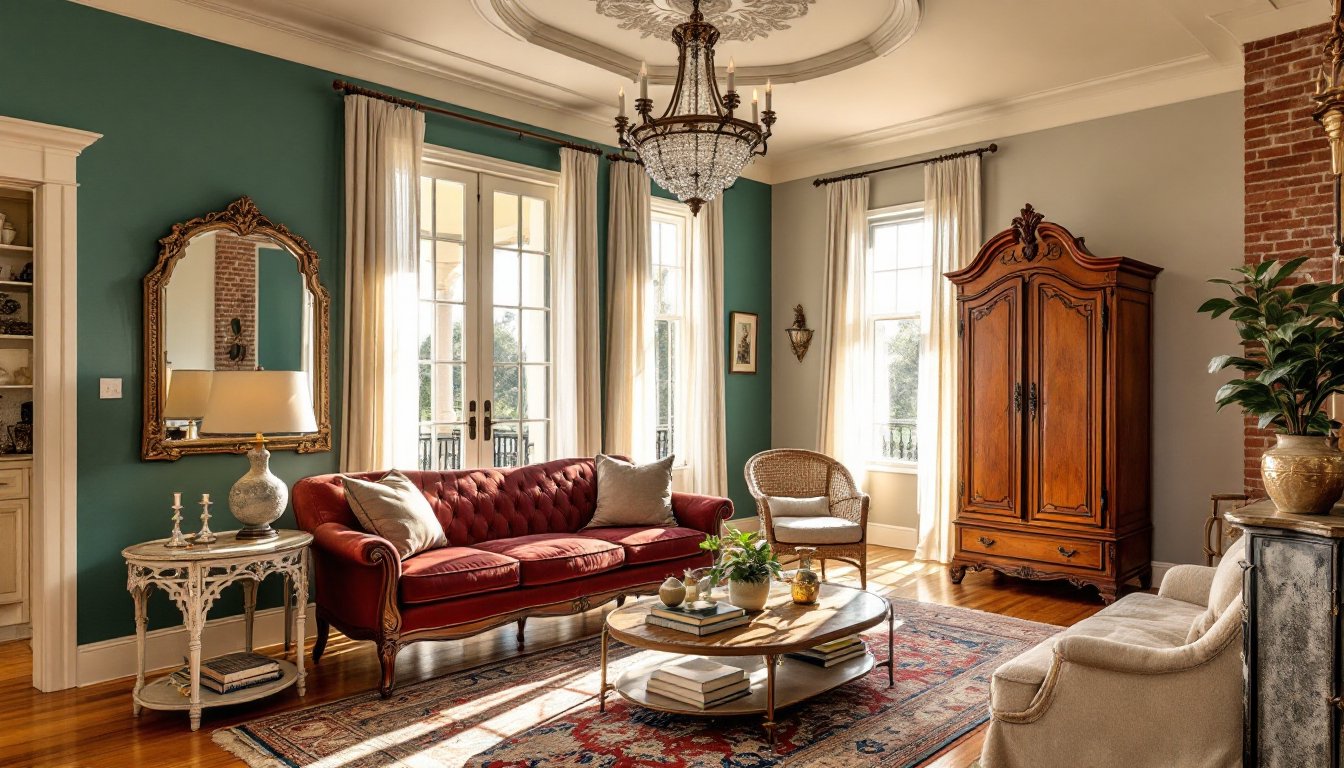

New Orleans doesn’t just have a look, it has a vibe. The architecture, the colors, the mix of French, Spanish, Caribbean, and Creole influences all layer together into something unmistakable. Bringing that energy into your home means more than hanging a fleur-de-lis on the wall. It’s about understanding the bones of the city’s design language: ironwork, tall windows, bold color, and rooms that feel lived-in and layered. Whether you’re renovating a historic home or just want to add some Crescent City character to a suburban build, the principles are the same. This guide walks through the essential elements, from color palettes to architectural details, and shows how to adapt them to your space without turning your house into a theme park.
Table of Contents
ToggleKey Takeaways
- New Orleans interior design blends French, Spanish, Caribbean, and Creole influences through bold color, ironwork, tall windows, and lived-in layered spaces that prioritize function and personality over perfection.
- The city’s subtropical climate and cultural history shaped architectural essentials like 12-14 foot ceilings, French doors, deep porches, and moisture-resistant materials such as plaster, brick, and pine that define authentic NOLA style.
- Color is a hallmark of New Orleans design—embrace saturated hues like deep teals, warm ochres, jewel tones, and rich greens inspired by the landscape, avoiding bland builder beige and cool grays that flatten the warm inviting aesthetic.
- Furniture and decor should layer textures and eras with pieces like antique armoires, wicker seating, ornate mirrors, velvet upholstery, and wrought iron accents rather than matching sets from a single catalog.
- Blend New Orleans interior design with modern spaces by incorporating one or two statement architectural elements (tall baseboards, a chandelier, or ironwork), keeping materials honest and natural, and editing bold colors into smaller doses.
- Practical implementation matters: ensure exterior shutters cover window openings fully, use rust-inhibiting primers on ironwork, install exhaust fans rated at room square footage × 1.1 for proper ventilation, and wear respirators when exposing brick.
What Makes New Orleans Interior Design Unique?
New Orleans interior design is a product of climate, history, and cultural collision. The city’s wet subtropical climate shaped everything from high ceilings (to pull heat up) to deep porches (for shade and airflow). The French and Spanish colonial periods left behind courtyards, shutters, and stucco. Caribbean and West African influences brought bright color and ornamental ironwork.
The result is a style that’s equal parts elegant and relaxed. Rooms aren’t precious. They’re designed for living, high humidity, frequent entertaining, and the occasional second line parade passing by. Materials like plaster, brick, and pine hold up to moisture better than drywall and MDF. Furnishings mix formal antiques with wicker and rattan. It’s not minimalist, and it’s not matchy-matchy.
Architecturally, many traditional New Orleans homes feature 12- to 14-foot ceilings, French doors that open between rooms and onto balconies, and transom windows for cross-ventilation. If your home doesn’t have those bones, you can still borrow the aesthetic through color, texture, and deliberate material choices.
Key Color Palettes Inspired by the Crescent City
New Orleans color is never timid. The palette pulls from the landscape: deep greens (live oaks and magnolias), saturated blues and teals (the Mississippi, the Gulf), warm ochres and terracottas (stucco and brick), and jewel tones like amethyst and garnet.
Exteriors often feature bold, contrasting trim, think a teal shotgun house with coral shutters. Interiors tend to be slightly more subdued but still rich. Walls might be painted in a warm cream or soft gray-green, with pops of color in tilework, upholstery, or cabinetry. Accent walls in deep teal, eggplant, or burnt sienna work well in dining rooms or powder rooms.
Avoid: Builder beige and cool grays. They flatten the warmth that makes New Orleans interiors feel inviting. If you want neutrals, go with warmer bases, greige with a yellow undertone, or off-whites with a hint of peach.
For paint, coverage typically runs 350–400 square feet per gallon depending on surface texture. Plaster and brick drink more paint than drywall, so budget accordingly. Many regional home styles embrace saturated hues on both interior and exterior surfaces.
Architectural Elements That Define New Orleans Style
If you’re renovating or building, a few architectural moves go a long way.
Ironwork: Wrought iron or cast iron railings, balconies, and gates are signature. Original antique pieces can be pricey and require sandblasting and repainting (use a rust-inhibiting primer like Rust-Oleum or Corroseal). Reproduction iron is more affordable and widely available. Install with lag bolts into solid wood framing or masonry anchors rated for exterior load.
Shutters: Functional louvered shutters aren’t just decorative, they provide storm protection and ventilation control. If you’re adding shutters to a home that didn’t have them, size them to actually cover the window (each shutter should be half the window width). Use exterior-grade hinges and holdbacks.
French doors: Swapping a standard interior door for a set of French doors (typically 1-3/8″ thick, prehung in a jamb) opens up sightlines and light. Not a load-bearing change, but you may need to widen the rough opening. A reciprocating saw and a helper make demo easier. Check local codes if you’re adding exterior French doors, egress and energy requirements vary.
Exposed brick: If you have brick behind drywall or plaster, exposing it can add texture. Wear a respirator rated for silica dust (N95 minimum, P100 better) and eye protection. Clean brick with a wire brush and muriatic acid diluted 10:1, then seal with a breathable masonry sealer to prevent efflorescence.
Ceiling medallions and molding: Plaster or polyurethane medallions around light fixtures and picture-rail molding add period detail. Installation is straightforward, adhesive and finish nails, but measure twice. Medallions should be proportional to the fixture and room size.
Furniture and Decor Essentials for an Authentic NOLA Look
New Orleans interiors layer textures and eras. You won’t find a room that looks like it was ordered from a single catalog.
Key pieces:
- Armoires and sideboards: Antique or reproduction pieces in dark wood (mahogany, walnut) anchor dining rooms and bedrooms. Look for carved details and hardware with patina.
- Wicker and rattan: Chairs, settees, and plant stands bring in a tropical, Caribbean influence. They work indoors or on covered porches. Real rattan holds up better than paper-wrapped fakes.
- Upholstered seating: Velvet, linen, and damask in rich colors. Don’t shy away from pattern, florals, paisleys, and toile are all fair game.
- Wrought iron furniture: Occasional tables, plant stands, and bed frames. Powder-coated finishes resist rust better than paint in humid climates.
- Mirrors: Ornate, gilded frames, especially over mantels and in entryways. Large mirrors also help reflect light in rooms with limited windows.
Textiles: Layering is key. Think heavy drapes in silk or velvet, linen throws, and patterned area rugs (Persian, Oushak, or sisal with a border). Avoid anything too sleek or synthetic, it reads cold.
Lighting: Chandeliers (crystal or iron), sconces, and table lamps with fabric shades. Aim for warm-toned bulbs (2700K) to complement the color palette. If you’re installing a heavy chandelier, make sure the electrical box is rated for the weight and anchored to a ceiling joist or blocking. Homes with design elements from other cultures often share similar layered lighting approaches.
How to Blend New Orleans Style With Modern Design
You don’t have to commit fully to a period look. New Orleans style plays well with contemporary elements if you keep a few things in mind.
Start with architectural details. Even a modern open-plan home can incorporate tall baseboards, picture rail, or a single statement piece of ironwork. These ground the space without overwhelming it.
Edit the color palette. Use the same saturated hues but in smaller doses, an accent wall, a bold sofa, or colorful tilework in a backsplash. Pair with neutral modern furnishings in linen or leather.
Mix old and new furniture. A sleek sectional can sit across from an antique sideboard. A minimalist dining table looks better with mismatched vintage chairs than with a matching set. The contrast adds depth.
Keep materials honest. Stick with natural materials, wood, metal, stone, linen, and avoid anything too plastic or laminate. Real materials age well and feel more substantial.
Don’t overdo the theme. One or two statement pieces (a chandelier, an armoire, a piece of ironwork) will establish the vibe. More than that and you risk pastiche. Many designers working on contemporary residential projects successfully blend historic references with modern function using this restraint.
If you’re working through a full renovation, a clear interior design process helps balance stylistic goals with budget and timeline.
Room-by-Room Guide to New Orleans-Inspired Interiors
Living Room
Start with a bold wall color or patterned wallpaper (damask, toile, or botanical prints). Anchor the room with a large area rug and a mix of seating, upholstered sofa, a pair of wicker chairs, and a wooden bench or ottoman. Hang a large mirror or piece of artwork above the sofa. Add a chandelier or a pair of sconces for layered lighting. If your home has a transitional style layout, blending traditional elements with modern function works especially well.
Kitchen
New Orleans kitchens aren’t sterile. Open shelving, colorful tile backsplashes, and antique or distressed cabinetry all fit. Consider a farmhouse sink, butcher block counters, and pendant lighting with an industrial or vintage feel. If you’re planning a renovation, modern kitchen layouts can incorporate NOLA character through material choices and color.
Backsplash tile: Subway tile works, but consider patterned cement tile or hand-painted ceramic for more personality. Installation is the same as standard tile, thin-set mortar, spacers, grout, but intricate patterns require careful layout. Snap chalk lines and dry-fit before spreading mortar.
Dining Room
This is where you can go formal. A dark wood table (or a painted one in deep green or black), upholstered chairs, a sideboard, and a statement chandelier. Wallpaper or a rich paint color on the walls. Add a vintage rug and heavy drapes. Brass or silver candlesticks and serving pieces complete the look.
Bedroom
Layered textiles are the move here, linen sheets, a velvet duvet or quilt, and plenty of pillows. An iron or wooden four-poster bed, a vintage dresser, and bedside tables in mismatched styles. Keep lighting soft with table lamps and a ceiling fan (essential in humid climates). Sheer curtains or plantation shutters let in light while maintaining privacy.
Bathroom
Clawfoot tubs, pedestal sinks, and patterned floor tile are classic. If you’re doing a gut renovation, consider a wet area with a curbless shower and a freestanding tub. Use moisture-resistant materials, porcelain or cement tile, not vinyl. Ventilation is critical: install an exhaust fan rated for the room size (CFM = room square footage × 1.1 for bathrooms). Many urban design trends reflect a renewed interest in vintage bath fixtures and bold tile.
Conclusion
New Orleans interior design isn’t about perfection, it’s about personality. The city’s homes have always been a mix of cultures, eras, and practical responses to a challenging climate. Bringing that into your own space means embracing color, texture, and a little bit of wildness. Start with one or two elements that speak to you, whether that’s a bold wall color, a piece of ironwork, or an antique armoire, and build from there. The goal isn’t to replicate a museum, it’s to create a home that feels warm, lived-in, and unmistakably yours.