
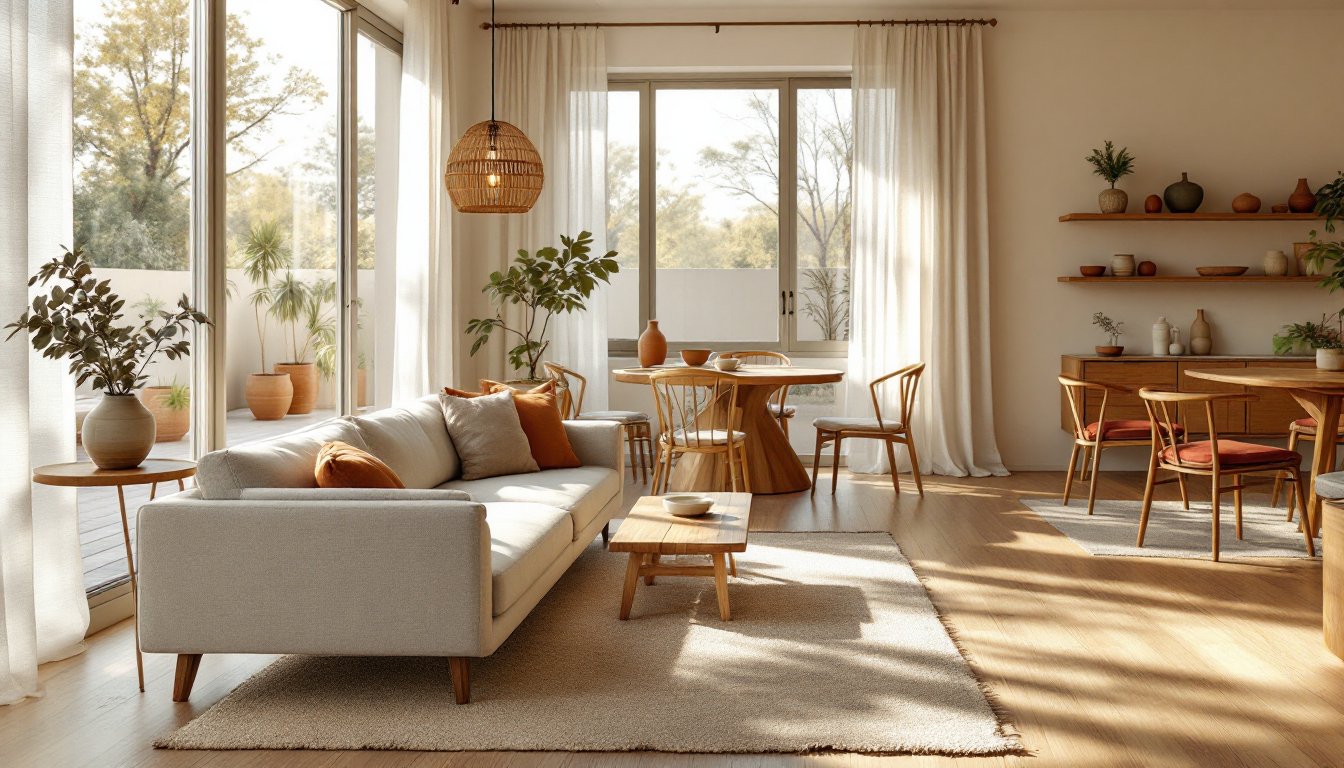

California chic interior design captures the relaxed elegance of coastal living without the beachy clichés. It’s a style that blends indoor-outdoor flow, natural textures, and sunlight-drenched spaces, think a Malibu bungalow meets a Napa Valley farmhouse. This guide walks through the key elements, color strategies, and practical steps to recreate that effortless West Coast vibe in any home, whether it’s a century-old craftsman or a modern build. No ocean view required.
Table of Contents
ToggleKey Takeaways
- California chic interior design blends mid-century modern simplicity with organic materials and natural light, avoiding nautical clichés and excessive pattern in favor of quiet sophistication.
- Maximize natural light through large windows, glass doors, skylights, and mirrors, then paint trim and ceilings in warm whites to make spaces feel larger and more connected.
- Layer natural materials like wide-plank white oak, linen upholstery, terracotta, and handmade accessories to build visual texture without relying on busy prints or patterns.
- Build your California chic color palette with warm whites, creams, earthy terracotta, and muted greens while avoiding cool grays and high-contrast schemes that disrupt the cohesive, calming effect.
- Start upgrades with high-impact areas like walls, flooring, and window treatments, then add anchor furniture pieces with clean lines and potted plants to complete the indoor-outdoor aesthetic.
- Edit ruthlessly by leaving breathing room, keeping surfaces clear, and resisting over-decoration—the restraint and patience to let rooms evolve defines California chic’s effortless elegance.
What Is California Chic Interior Design?
California chic blends mid-century modern simplicity with organic, laid-back elements borrowed from Mediterranean and Spanish Colonial traditions. It’s not about following a rigid rulebook, the style prioritizes comfort, natural materials, and a connection to the outdoors.
The look emerged from California’s unique architectural heritage: post-war modernism met Spanish tile roofs, and indoor-outdoor living became standard thanks to a temperate climate. Today, it’s evolved into a design language that values clean lines, neutral bases, and textural warmth. Think plastered walls, wide-plank oak floors, linen upholstery, and pottery that looks handmade.
Unlike coastal or bohemian styles, California chic avoids nautical motifs and excessive pattern. It’s quieter, more edited. The palette stays muted, whites, creams, terracotta, sage, and any bold color comes from nature (a potted olive tree, a live-edge walnut table). This restraint is what gives the style its signature sophistication.
It’s also flexible. A Victorian in San Francisco can adopt California chic through material swaps and strategic edits. The key is honoring existing architecture while introducing warmth and light.
Key Elements of California Chic Style
Natural Light and Airy Spaces
Maximizing natural light is non-negotiable. California chic homes rely on large windows, glass doors, and open floor plans to flood interiors with daylight. If the space already has good bones, say, a wall of south-facing windows, lean into it. Remove heavy drapes and replace them with sheer linen panels or woven wood shades that filter light without blocking it.
For rooms with limited windows, consider installing a skylight or adding a transom window above doorways. Both are effective ways to borrow light from adjacent spaces. Interior design platforms like MyDomaine frequently highlight how strategic window treatments can transform a dim room.
Open floor plans support the airy feel, but if walls can’t come down (or shouldn’t, always check for load-bearing studs and consult a structural engineer), use wide doorways or half-walls to maintain visual flow. Paint trim and ceilings in the same off-white or warm white to eliminate contrast and make spaces feel larger.
Mirrors are a practical workaround. A large leaning floor mirror or a grid of smaller mirrors opposite a window will bounce light deeper into a room. Avoid ornate frames: stick with simple wood or metal finishes.
Organic Materials and Textures
California chic thrives on texture, not pattern. The style layers natural materials, wood, stone, clay, linen, jute, to build visual interest without busy prints. Start with flooring: wide-plank white oak or reclaimed pine in a matte or low-sheen finish anchors the look. If replacing floors isn’t in the budget, natural fiber area rugs (jute, sisal, or wool) warm up existing tile or hardwood.
Walls benefit from texture, too. Lime plaster or Venetian plaster finishes add subtle depth and a hand-troweled look that’s more interesting than flat paint. If replastering isn’t feasible, try a matte clay-based paint in a warm white or greige. Brands like Portola Paints and Romabio specialize in mineral finishes that mimic the look of European plaster.
Furniture should feel substantial but not heavy. Choose pieces in solid walnut, teak, or oak with simple, mid-century-inspired silhouettes. Upholstery works best in linen, cotton canvas, or leather, all materials that age gracefully and soften over time. Avoid synthetics: they don’t develop the same patina.
Accessories bring in handmade character: terracotta planters, stoneware bowls, rattan baskets, and woven throws. These items should look like they were collected over time, not purchased as a set. Vintage or artisan-made pieces are ideal. Many homeowners pair California chic with minimalist design principles to keep surfaces uncluttered while still incorporating organic textures.
Color Palettes That Define California Chic
The California chic palette is rooted in nature: sun-bleached neutrals, earthy clay tones, and muted greens. Start with a base of warm whites and creams, think Benjamin Moore’s White Dove or Sherwin-Williams’ Alabaster. These aren’t stark: they have enough warmth to prevent a sterile look.
Accent walls or architectural details can handle more color. Terracotta, ochre, and burnt sienna reference California’s Spanish Colonial heritage and work well in kitchens, dining rooms, or as a backsplash. Sage green, olive, and eucalyptus bring in the landscape, use these on cabinetry, built-ins, or as a trim color.
Avoid cool grays and bright whites. They clash with the warm, organic feel of the style. Similarly, skip high-contrast schemes (black and white, navy and white). California chic is tonal, colors should sit close to each other on the spectrum, creating a cohesive, calming effect.
Wood tones count as part of the palette. Medium to light woods (oak, ash, maple) keep things airy, while darker woods (walnut, teak) add grounding contrast. Mix finishes, matte paint, natural wood, raw stone, but keep the color temperature consistent. Warm throughout, or you’ll lose the cohesion.
Textiles and decor can introduce subtle pops: a rust-colored throw pillow, a dusty rose ceramic vase, or a woven basket with natural dye variations. These touches are earned, not forced. The overall impression should be serene, not studied. Spaces that integrate mid-century modern elements often share similar neutral foundations with well-chosen accent hues.
How to Bring California Chic Into Your Home
Start with the biggest impact areas: walls, flooring, and window treatments. If repainting, use a low-VOC or zero-VOC paint in a warm white or greige. Apply two coats for even coverage, most quality paints cover 350–400 square feet per gallon. For a plaster-like texture, consider a limewash paint or apply a skim coat of joint compound over drywall before painting (this requires some drywall finishing skill: practice on a closet wall first).
Flooring changes are more involved. Installing ¾-inch solid hardwood or engineered wide-plank flooring requires acclimating the wood to the room for 72 hours minimum before installation. Nail-down installation over a plywood subfloor is standard, but engineered planks can float over concrete with an underlayment. If installing yourself, rent a pneumatic flooring nailer and a miter saw for clean cuts at doorways and transitions. Expect to pay $6–$12 per square foot for materials, depending on wood species and grade.
Window treatments should be simple. Linen drapes (unlined for maximum light diffusion) hung on brushed brass or matte black rods work in most rooms. Mount rods 4–6 inches above the window frame and extend them 6–12 inches beyond each side to make windows appear larger. Hem drapes to just skim the floor, puddling looks dated.
Furniture swaps don’t need to happen all at once. Start with anchor pieces: a low-profile sofa in natural linen, a live-edge dining table, or a platform bed in solid oak. Look for clean lines and tapered legs, hallmarks of mid-century and Scandinavian design that align with California chic. Avoid anything overly ornate or distressed.
Bring in plants, lots of them. Fiddle-leaf figs, snake plants, pothos, and olive trees are all low-maintenance options that add vertical interest and soften hard edges. Use unglazed terracotta or concrete planters to keep the look cohesive. Group plants in odd numbers (3 or 5) for a more natural arrangement.
Lighting deserves attention. Replace builder-grade fixtures with pendant lights in natural materials: rattan, wood, or ceramic. For task lighting, choose swing-arm sconces or adjustable floor lamps in brass or oil-rubbed bronze. Dimmer switches (easy DIY install, just turn off the breaker, disconnect the old switch, and wire in the new one) let you adjust mood and save energy.
Open up indoor-outdoor connections where possible. If replacing a door, consider a sliding glass door or French doors with large glass panels. For patios or decks, use the same or complementary flooring inside and out to blur the threshold. Even a small balcony can tie into the aesthetic with matching materials and potted plants.
Finally, edit ruthlessly. California chic isn’t about filling every surface. Leave breathing room around furniture, keep countertops clear, and display only a few well-chosen objects. This restraint is what separates the style from busier, more eclectic looks. Homeowners exploring transitional design approaches often appreciate this balance between clean lines and warmth.
Safety note: Any electrical work (installing dimmer switches, hardwiring light fixtures) requires shutting off power at the breaker and testing with a non-contact voltage tester before touching wires. If running new circuits or working with junction boxes, consult the National Electrical Code (NEC) or hire a licensed electrician. Flooring work generates dust, wear a respirator mask rated N95 or higher and ensure proper ventilation.
Design inspiration often draws from regional aesthetics, and West Coast design sensibilities emphasize the indoor-outdoor connection that defines California chic. Similarly, contemporary design showcases frequently highlight the material honesty and clean lines central to this style. Whether refreshing a dining space or rethinking a formal room layout, the principles remain consistent: light, texture, and restraint.
Conclusion
California chic isn’t about replicating a showroom, it’s about creating a space that feels both intentional and effortless. Prioritize natural light, invest in quality materials, and resist the urge to over-decorate. The style rewards patience and a willingness to let rooms evolve over time, one thoughtful choice at a time.