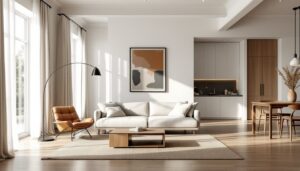


The 1970s brought a bold departure from the buttoned-up style of previous decades, embracing earthy palettes, textured surfaces, and a sense of casual comfort. What some homeowners dismissed as dated now fuels a resurgence, vintage furniture stores can’t keep sunburst mirrors in stock, and avocado green is popping up in kitchens again. This isn’t about recreating a time capsule. It’s about pulling key elements from that era and adapting them to today’s homes, blending retro charm with modern functionality. Whether it’s adding a single statement piece or reimagining an entire room, understanding 70’s interior design principles helps homeowners strike the right balance between nostalgia and livability.
Table of Contents
ToggleKey Takeaways
- 70s interior design blends natural textures, warm color palettes, and communal gathering spaces—principles that work beautifully in modern homes when applied selectively.
- Iconic 70s interior design elements include low-profile sectionals, sunburst mirrors, rattan furniture, and warm earth tones like burnt orange, avocado green, and mustard yellow.
- Incorporate retro style gradually by starting with one statement piece, such as a vintage credenza or velvet sofa, rather than overhauling an entire room at once.
- Avoid common mistakes like oversaturating rooms with bold colors, ignoring scale and ceiling height, or prioritizing aesthetics over comfort and functionality.
- Living rooms and dining areas are ideal spaces for 70s-inspired updates, while kitchens benefit most from subtle nods through backsplash tiles and ambient lighting rather than full-period commitment.
What Defines 70s Interior Design?
The decade’s style revolved around organic materials, warm color schemes, and a rejection of the sleek minimalism that dominated the 1950s and early 1960s. Natural textures took center stage: macramé wall hangings, rattan furniture, and exposed wood beams became fixtures in living spaces. Shag carpeting, often in deep browns or burnt oranges, added tactile warmth underfoot, though it required frequent raking to maintain its look.
Open floor plans gained traction during this period, breaking down walls between kitchens and living areas. Conversation pits, sunken seating areas built into the floor, embodied the era’s focus on communal gathering. Many featured built-in cushioned benches arranged in a square or circular layout, sometimes with a central fireplace.
Lighting shifted toward ambient and mood-setting options. Floor lamps with arched arms (often called arc lamps) stretched over seating areas, while Tiffany-style stained glass pendant lights added color. Designers at Homedit highlight how these fixtures created layered lighting schemes that replaced harsh overhead fluorescents.
Patterns leaned geometric or nature-inspired. Think avocado and harvest gold florals, oversized paisley prints, and mushroom motifs on wallpaper or textiles. These weren’t subtle accents, they dominated entire walls or upholstery pieces.
Key Color Palettes of the 1970s
Forget the crisp whites and grays of contemporary design. The 1970s interior design palette drew from nature’s earthier side: burnt orange, mustard yellow, avocado green, and chocolate brown formed the foundation. These weren’t paired as accents, they often appeared together in the same room, layered across walls, furniture, and accessories.
Harvest gold appliances and countertops became kitchen staples, a trend that persisted well into the early 1980s. Bathrooms followed suit with fixtures in colors like dusty rose or robin’s egg blue. These hues weren’t reserved for decorative touches: they were baked into the architecture.
Neutral tones did exist but skewed warm. Tan, camel, and cognac leather appeared on sofas and armchairs, often paired with dark wood like walnut or teak. White walls were rare, if a homeowner wanted a lighter backdrop, they’d choose cream or beige instead.
For those incorporating this palette today, the key is moderation. A single accent wall in burnt orange or mustard can anchor a room without overwhelming it. Pair these retro colors with modern neutrals like gray or off-white to keep the space from feeling dated.
Iconic 70s Furniture and Decor Elements
Low-profile seating dominated the era. Sectional sofas sat close to the floor, often upholstered in velvet or tweed. Modular pieces allowed homeowners to rearrange configurations, a precursor to today’s adaptable furniture systems. Look for frames with tapered wood legs and clean, boxy shapes.
Platform beds eliminated the need for box springs, sitting low with integrated side tables or storage drawers. Headboards, when present, were often tufted or covered in the same fabric as the bedding. Waterbed frames, though less practical for modern use, were another hallmark, typically set into heavy wood frames with mirrored headboards.
Decor leaned heavily on wall art: framed nature photography (especially sunsets and macramé plant hangers became the interior living room wall treatment of choice for renters who couldn’t paint. Sunburst mirrors, made of metal or wood, hung above mantels or sideboards.
Rattan and wicker furniture appeared everywhere, from papasan chairs to étagères. These pieces worked well in sunrooms or enclosed porches but also found their way into bedrooms and dining spaces. Pair them with thick cushions in patterned fabrics for an authentic look.
Teak credenzas and sideboards offered storage with mid-century modern lines but warmer finishes than earlier decades. Many featured tambour doors (flexible slatted panels) that slid horizontally. These pieces still command high prices in vintage markets due to their durability and timeless construction.
How to Incorporate 70s Style Into Your Home Today
Start with one statement piece rather than overhauling an entire room. A vintage credenza or a velvet sectional in a retro color creates a focal point without committing to a full theme. Shop estate sales or online marketplaces for authentic pieces, but inspect joints and upholstery carefully, original foam cushions from the 1970s often need replacement due to deterioration.
For walls, skip the floor-to-ceiling shag (it’s a dust magnet and nightmare to clean) and try textured wallpaper in geometric or botanical patterns. Peel-and-stick options make this a renter-friendly project. If wallpaper feels too bold, paint one accent wall in a period-appropriate color like terracotta or goldenrod. Use eggshell or satin finish for easier cleaning compared to flat paint.
Swap out light fixtures for instant impact. An arc floor lamp with a brass or chrome finish works well in corners behind seating. Pendant lights with amber or smoked glass shades add warmth over dining tables. Make sure any vintage electrical fixtures are rewired by a licensed electrician, older cloth-covered wiring degrades over time and poses a fire risk.
Layer textiles for that tactile, cozy feel. Throw pillows in corduroy, velvet, or wool add texture to sofas. Area rugs in warm tones ground seating areas, especially if you’re working with modern gray flooring. Look for patterns inspired by Moroccan or Native American designs, which were popular motifs during the era.
Integrate plants thoughtfully. Hanging planters with trailing pothos or spider plants recall the decade’s love of greenery, but skip the macramé if your home leans contemporary, opt for leather or rope hangers instead. Fiddle leaf figs and rubber plants also fit the vibe when placed in ceramic or terracotta pots.
Best Rooms for 70s-Inspired Design
Living rooms offer the most flexibility. The open layouts common in newer homes align well with the era’s communal aesthetic. A living room 70s interior approach works particularly well in spaces with existing wood paneling, embrace it rather than covering it up. Add a sectional, a few floor cushions, and a low coffee table to complete the look.
Dining rooms benefit from the decade’s focus on gathering spaces. Swap out a modern chandelier for a statement pendant with a drum shade or Sputnik-style arms. Pair a wood dining table (preferably with visible grain) with upholstered chairs in velvet or leather. Sideboards from this era provide both storage and display space for barware or serving pieces.
Home offices can borrow from the warm, wood-heavy aesthetic without feeling dated. A teak desk with clean lines and a swivel chair upholstered in cognac leather nod to the period while remaining functional. Add a task lamp with an adjustable arm and some framed botanical prints to complete the setup.
Bedrooms work well with platform beds and layered textiles. Keep walls neutral and let the bedding do the talking, quilts in geometric patterns or velvet duvet covers in rust or mustard create a retro vibe. Swap out basic nightstands for small credenzas or floating shelves in walnut finish.
Kitchens require more restraint. Full-on harvest gold appliances rarely age well, but you can reference the era through backsplash tile choices. Consider ceramic subway tiles in warm off-white or hexagonal floor tiles in terracotta. Open shelving in wood (similar to dining room interior trends) can replace upper cabinets for a less formal look. Pendant lights with amber glass shades over an island tie the aesthetic together.
Common Mistakes to Avoid When Going Retro
Overdoing the color palette is the fastest way to make a space feel like a museum exhibit. Limit bold retro hues to one or two per room, using them as accents rather than base colors. A burnt orange sofa works: burnt orange walls, curtains, and rug create sensory overload.
Ignoring scale is another pitfall. Low-profile furniture from the 1970s was designed for smaller homes and lower ceilings common at the time. In a room with nine-foot or higher ceilings, that same furniture can look dwarfed. Balance low seating with tall plants, floor lamps, or vertical artwork to fill the visual space.
Mixing too many patterns without a unifying element creates chaos. The era loved prints, but successful rooms stuck to a consistent color story. If you’re using a floral print, a geometric rug, and a paisley pillow, make sure they share at least two colors. Keep larger pieces (sofas, walls) in solids or subtle textures.
Neglecting modern comforts defeats the purpose of updating a home. Vintage seating often lacks proper lumbar support, and original foam cushions compress beyond usefulness. Reupholster pieces with high-density foam (at least 2.0-pound density for seats) and add throw pillows with inserts for comfort. Same goes for lighting, aesthetic matters, but ensure there’s enough lumens for tasks like reading. Aim for 450-800 lumens per fixture in living areas.
Skipping the prep work on vintage furniture leads to disappointment. Wood pieces may need refinishing if the lacquer has yellowed or chipped. Strip old finishes with a chemical stripper (wear gloves and respirator), sand with 120-grit then 220-grit sandpaper, and apply a modern polyurethane topcoat for durability. Upholstered items should be professionally cleaned before use, decades of dust and odors don’t add character.
Forgetting about functionality is common when focusing on aesthetics. That sunken conversation pit looks great in photos but poses accessibility issues for older adults or anyone with mobility concerns. Shag carpet is difficult to vacuum and traps allergens. Evaluate how you actually use each space before committing to a design choice that prioritizes form over function.
Conclusion
Pulling off 1970s interior design in a modern home requires selectivity, choose the elements that add warmth and personality while skipping the ones that hinder livability. Focus on quality vintage pieces that bring craftsmanship, layer in retro colors as accents rather than overwhelm, and balance nostalgic charm with the comforts expected in today’s homes. The goal isn’t replication: it’s thoughtful adaptation that makes a space feel both timeless and grounded.