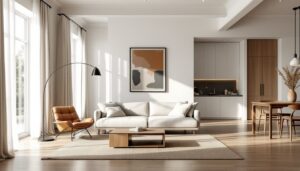


The 1950s brought a revolution in home design that still captivates homeowners today. Post-war optimism, new manufacturing techniques, and a cultural shift toward casual living created interiors that balanced function with eye-catching style. Unlike the formal rooms of previous decades, 50s homes embraced open layouts, bold colors, and furniture that prioritized comfort without sacrificing personality. Whether someone’s renovating a period home or adding vintage flair to a modern space, understanding the core elements of this era helps create authentic, livable interiors that don’t feel like stage sets.
Table of Contents
ToggleKey Takeaways
- 1950s interior design revolutionized homes with open floor plans, bold colors, and low-profile furniture that balanced comfort with eye-catching style, a dramatic shift from pre-war formality.
- Iconic 50s color palettes range from soft pastels like mint green and powder blue to bold hues like turquoise and coral, often applied as two-tone schemes or accent walls for maximum impact.
- Mid-century modern furniture featuring clean lines, tapered legs, and organic shapes remains the most recognizable contribution of the 1950s, with pieces from designers like Eames and Saarinen still manufactured today.
- Formica laminates, chrome fixtures, vinyl upholstery, and ceramic tile were revolutionary materials that offered durability and easy maintenance, making 50s design both practical and stylish.
- Incorporate 50s interior design strategically into modern homes through accent wall paint colors, statement furniture pieces, period lighting fixtures, and room-specific updates like vintage appliances or checkerboard floors without requiring major structural changes.
What Defines 1950s Interior Design?
The 1950s marked a departure from pre-war formality. Homes built during this decade featured open floor plans that connected living, dining, and kitchen areas, a radical shift from compartmentalized Victorian layouts. Picture windows became standard, flooding interiors with natural light and blurring the line between indoor and outdoor spaces.
Atomic Age influence showed up everywhere: starburst clocks, boomerang patterns, and abstract shapes inspired by science and space exploration. Furniture sat lower to the ground on tapered legs, often angled outward (splayed legs), which gave pieces a lighter visual footprint compared to bulky traditional styles.
Built-in storage gained popularity as homeowners sought clean, uncluttered spaces. Many 50s homes incorporated room dividers, half-walls, slatted screens, or open shelving units, to define zones without blocking sightlines. Textured wall treatments like grasscloth, wood paneling (often in knotty pine), and ceramic tile added dimension to otherwise simple rooms.
Casual living became the norm. Formal parlors gave way to family rooms centered around the television, a new household fixture. Kitchens transformed into social hubs with breakfast nooks and pass-through counters, reflecting the era’s emphasis on togetherness and convenience.
Iconic Color Palettes of the 1950s
Pastel shades dominated early 50s interiors: pink, mint green, powder blue, and buttery yellow appeared on walls, appliances, and upholstery. These soft hues created cheerful, optimistic spaces that contrasted sharply with wartime austerity. Pink and gray combinations were especially trendy, appearing in everything from bathrooms to living rooms.
By mid-decade, bolder choices emerged. Turquoise became the star color, often paired with coral, chartreuse, or sunny yellow. Homeowners weren’t afraid of contrast, black accents in light fixtures, furniture legs, and trim provided visual punch against lighter backgrounds.
Two-tone color schemes were standard practice. Many homeowners chose interior design approaches that featured one wall in a saturated hue (an accent wall before the term existed) while keeping remaining walls neutral. Kitchen cabinets frequently appeared in contrasting colors: mint green uppers with yellow lowers, for instance.
Metallics added glamour. Chrome, brass, and copper finishes showed up on furniture legs, lighting fixtures, and decorative accessories. Formica countertops came in hundreds of patterns, including boomerang, confetti, and geometric designs in multiple colors, practical surfaces that doubled as statement pieces.
Furniture Styles That Defined the Decade
Mid-century modern furniture remains the most recognizable 50s contribution to design. Pieces featured clean lines, organic curves, and minimal ornamentation. Designers like Charles and Ray Eames, George Nelson, and Eero Saarinen created iconic pieces still manufactured today.
Seating sat low with angled wooden legs (typically walnut, teak, or birch). Sectional sofas gained popularity, offering flexible arrangements for casual entertaining. Kidney-shaped coffee tables and boomerang-shaped side tables reflected the era’s love of asymmetry and atomic motifs.
Case goods (dressers, credenzas, sideboards) emphasized horizontal lines and mixed materials, wood bodies with metal drawer pulls, often in contrasting finishes. Sliding doors replaced traditional hinged cabinet doors on many pieces. Hairpin legs made from bent steel rod supported tables, desks, and even small cabinets, creating a floating effect.
Dining sets typically included a pedestal table (single central support instead of four legs) surrounded by molded plastic or upholstered chairs with chrome frames. The Tulip table and chairs by Saarinen epitomized this trend. Many homeowners incorporated mid-century modern elements into formal dining areas.
Bar carts became essential entertaining furniture, mobile units with chrome frames, glass shelves, and sometimes built-in bottle storage. Room dividers doubled as display shelving, often featuring geometric cutouts or slatted designs that maintained visual connection between spaces.
Materials and Textures Popular in 50s Homes
Formica laminate revolutionized kitchen and bathroom surfaces. Available in countless colors and patterns, it offered durable, easy-clean surfaces that resisted stains and heat. Boomerang, speckled, and geometric patterns were especially popular.
Chrome and stainless steel appeared on appliances, furniture legs, and fixtures. The shiny, modern finish represented technological progress and was easy to maintain, important for busy households. Vinyl upholstery in bold colors covered everything from dining chairs to bar stools, prized for its durability and wipeable surface.
Natural wood remained important but was used differently than in previous eras. Light woods like birch and ash were stained in honey tones, while teak and walnut provided warmer, richer options. Furniture often featured exposed wood grain with clear or lightly tinted finishes rather than heavy stains.
Ceramic tile moved beyond bathrooms into kitchens and living areas. 4×4-inch square tiles in contrasting colors created checkerboard patterns on floors and walls. Mosaic tiles formed decorative backsplashes. According to design experts at HGTV, original tile installations from this era often remain serviceable today due to quality materials and installation methods.
Textiles added warmth: boucle, nubby weaves, and tweed upholstery provided texture against smooth surfaces. Curtains hung from simple rods with minimal hardware, no heavy drapes or fussy valances. Area rugs in abstract patterns or solid colors defined conversation areas within open floor plans.
How to Incorporate 50s Design into Your Home Today
Start with paint colors that evoke the era without overwhelming modern spaces. Use pastels or bold 50s hues on a single accent wall rather than entire rooms, this approach works especially well behind a dining area or in a powder room. Pair period colors with neutral backgrounds (white, cream, or light gray) to keep spaces feeling current.
Invest in authentic or reproduction furniture pieces. A single statement item, a walnut credenza, an Eames lounge chair replica, or a starburst clock, can anchor a room’s vintage vibe. When shopping vintage, inspect wooden furniture for structural soundness (check joints, drawers, and leg attachments). Surface wear can be refinished, but structural damage often isn’t worth repairing.
Update lighting fixtures to include period-appropriate styles: sputnik chandeliers, globe pendants, or cone-shaped sconces with brass or black finishes. These fixtures provide dramatic visual impact and are easier to install than undertaking major furniture overhauls. Most require basic electrical skills, turn off power at the breaker, match wire colors (black to black, white to white, green or bare copper to ground), and secure the fixture to a junction box rated for its weight.
Accessorize thoughtfully. Vintage barware, ceramic vases in organic shapes, and abstract art prints add 50s flavor without commitment. Scour estate sales, antique malls, and online marketplaces for authentic pieces. Reproduction items from retailers specializing in retro design offer consistent quality when vintage hunting comes up empty.
Kitchen and bathroom updates offer opportunities for bold statements. Consider a vintage-style range with chrome details, or add a Formica-topped table to a breakfast nook. In bathrooms, pedestal sinks and hex tile floors (especially in black and white) evoke the era. These projects typically don’t require structural changes, just swapping fixtures and finishes within existing footprints.
Room-by-Room 50s Design Ideas
Living Room
Low-profile seating creates the characteristic 50s look. Choose a sectional or sofa with tapered legs in walnut or teak finish. Add a kidney-shaped coffee table and sputnik chandelier for instant mid-century flair. Use an area rug with geometric patterns to define the seating area. Incorporate a bar cart stocked with vintage glassware near the seating area.
Paint one wall in turquoise or coral, keeping others neutral. Hang simple panel curtains rather than heavy drapes, let those picture windows shine. Add built-in shelving if the budget allows: floating shelves with hairpin brackets offer a similar effect at lower cost. Design resources at Homedit showcase numerous examples of successfully blended retro and contemporary elements.
Kitchen
Colorful appliances make the biggest statement. Retro-styled refrigerators in mint green, pink, or turquoise are available from several manufacturers. Pair with a Formica table featuring chrome legs for a breakfast nook. Install open shelving to display vintage dishware, Fiestaware or Fire-King pieces in period colors add authentic touches.
Checkerboard floors using vinyl composition tile (VCT) or ceramic create classic 50s appeal. VCT costs roughly $1-3 per square foot (materials only) and installs over level underlayment with adhesive. Ceramic tile runs $5-15 per square foot but offers better durability. Both are DIY-friendly for homeowners comfortable working methodically and maintaining consistent grout lines.
Bedroom
Keep it simple with a platform bed on tapered legs and matching nightstands in light wood tones. Use textured bedding in solid colors, think chenille or boucle. A starburst wall clock and ceramic table lamps with tapered shades complete the look without cluttering the space.
Consider painting the wall behind the bed in a pastel shade or installing wood panel accent walls (tongue-and-groove pine boards work well and run about $2-4 per linear foot). These spaces can adopt elements similar to transitional style approaches that balance vintage and modern sensibilities.
Bathroom
Pedestal sinks and hex tile floors immediately evoke 50s bathrooms. If the existing vanity stays, update it with chrome hardware and Formica countertops in retro patterns. Install chrome towel bars and toilet paper holders, many vintage fixtures can be cleaned and reused if they’re solid brass beneath the chrome plating.
Paint walls in pink, mint, or powder blue, or use these colors for ceramic tile wainscoting (typically installed 4 feet high). Add a recessed medicine cabinet with mirrored door if wall construction allows (check for electrical wiring and plumbing before cutting into walls). Finish with a vintage-style light bar above the mirror, chrome fixtures with white globe shades are period-perfect and widely available.
Conclusion
Bringing 50s design into a modern home doesn’t require a complete tear-down. Strategic choices, period colors, signature furniture pieces, authentic materials, create spaces that honor the era’s optimism and innovation while remaining livable today. Start with one room or even one statement piece, and build from there as comfort and budget allow.